
Introduction
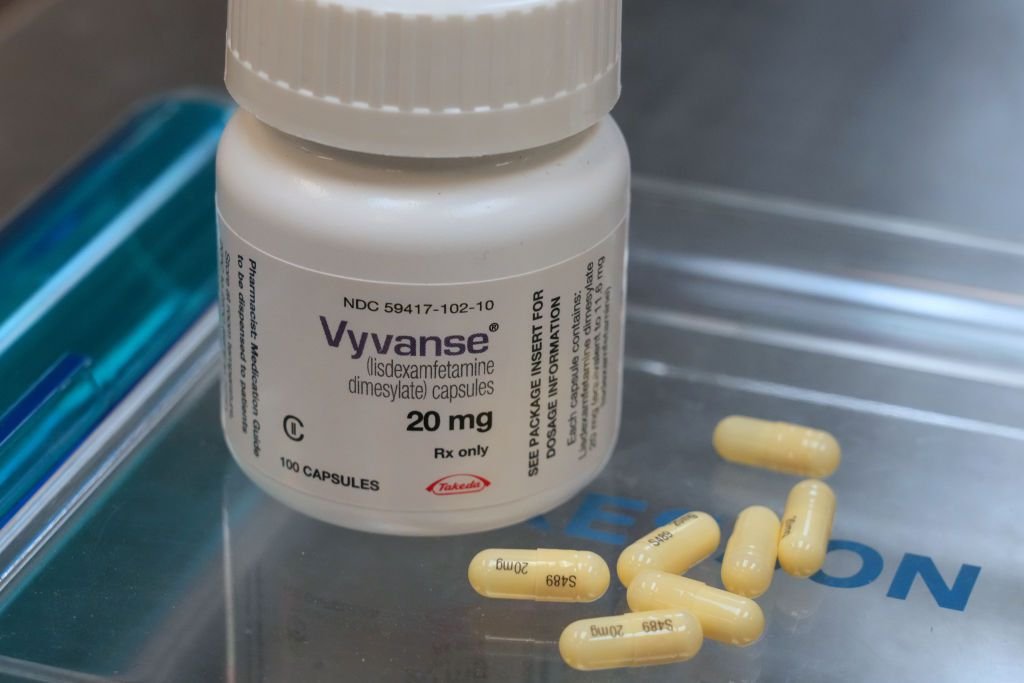
Vyvanse, known generically as lisdexamfetamine dimesylate, is a prescription medication used to treat attention-deficit/hyperactivity disorder (ADHD) and binge eating disorder (BED) in adults. It belongs to a class of drugs called central nervous system (CNS) stimulants. Vyvanse works by increasing levels of certain brain chemicals—dopamine and norepinephrine—that help regulate attention, focus, and impulse control.
What sets Vyvanse apart from other stimulants is that it’s a prodrug, meaning it becomes active only after the body metabolizes it. This design helps provide a smoother, longer-lasting effect and lowers the risk of misuse compared to some other stimulant medications.
In this article, we’ll cover everything you need to know about Vyvanse: how it works, correct usage, potential side effects, safe dosage guidelines, and answers to common “people also ask” questions—all presented in a clear, evidence-based, and user-friendly format.
What Is Vyvanse and How Does It Work?
Vyvanse contains lisdexamfetamine, which is converted in the body into dextroamphetamine, the active stimulant responsible for its effects. This conversion process occurs gradually, producing a steady release of medication throughout the day.
By increasing the levels of dopamine and norepinephrine in the brain, Vyvanse helps improve concentration, reduce impulsivity, and enhance alertness. This is particularly helpful for individuals with ADHD, who often struggle with maintaining focus and regulating attention.
Vyvanse’s unique formulation allows it to work more smoothly than short-acting stimulants, helping patients avoid the “ups and downs” that sometimes occur with other ADHD medications.
Read More: Vyvanse Uses, Dosage, Side Effects & Warnings
Approved Uses of Vyvanse
Vyvanse is approved by the U.S. Food and Drug Administration (FDA) for two main conditions:
- Attention-Deficit/Hyperactivity Disorder (ADHD)
- For children (ages 6 and older), adolescents, and adults.
- Helps improve attention, reduce impulsive behavior, and support academic or work performance.
- Binge Eating Disorder (BED)
- Approved for adults with moderate to severe binge eating.
- It helps reduce the number of binge episodes and improve self-control around eating.
Vyvanse is not approved for weight loss and should never be used solely for that purpose. Misuse can lead to serious side effects and dependency.
Vyvanse Dosage and Administration
Typical Starting Dose
- For both ADHD and BED, the usual starting dose is 30 mg once daily in the morning.
- The dose can be adjusted by your healthcare provider in increments of 10–20 mg per week, depending on how well you respond and tolerate the medication.
- The maximum recommended daily dose is 70 mg.
How to Take Vyvanse
- Take Vyvanse once daily in the morning with or without food.
- Avoid taking it in the afternoon or evening—it can cause insomnia.
- Swallow the capsule whole, or open it and mix the powder with water, yogurt, or orange juice. Consume immediately after mixing.
- Never inject, snort, or chew the capsule. Doing so is dangerous and can lead to overdose or addiction.
Missed Dose
If you forget to take your dose in the morning, skip it for that day. Do not double up the next day to make up for a missed dose.
What to Expect When You Start Vyvanse
Onset and Duration
Vyvanse typically begins working within 1 to 2 hours after taking it and lasts up to 12–14 hours. Many people find that it provides consistent focus and energy through the day, without a harsh “crash.”
Early Effects
- Improved attention and concentration
- Better task completion
- Decreased impulsive behaviors
Possible Early Side Effects
- Decreased appetite
- Dry mouth
- Insomnia (if taken too late in the day)
- Mild irritability or restlessness
These effects often lessen after the first few weeks as your body adjusts.
Common Side Effects of Vyvanse
Most side effects are mild and manageable, but it’s important to monitor them carefully.
Common side effects include:
- Decreased appetite or weight loss
- Dry mouth
- Trouble sleeping
- Anxiety or jitteriness
- Increased heart rate or blood pressure
- Stomach pain or nausea
Less common but serious side effects:
- Chest pain or shortness of breath
- Hallucinations, paranoia, or mania
- Severe anxiety or agitation
- Unexplained fainting or dizziness
- Changes in vision
If you experience serious symptoms, seek medical help immediately.
Who Should Not Take Vyvanse
Vyvanse isn’t suitable for everyone. You should not take Vyvanse if you:
- Are currently using or recently used a monoamine oxidase inhibitor (MAOI) antidepressant.
- Have a known allergy to amphetamines.
- Have serious heart disease, structural heart abnormalities, or uncontrolled high blood pressure.
- Have a history of substance use disorder (unless closely supervised by a physician).
Always discuss your full medical history with your healthcare provider before starting Vyvanse.
Vyvanse and Mental Health
While Vyvanse can help improve attention and impulse control, it may also influence mood. In some people, stimulants can increase anxiety or trigger manic or psychotic symptoms, particularly at higher doses or in those with underlying mental health conditions.
If you or your child experience mood swings, aggression, hallucinations, or signs of depression, notify your doctor immediately. Regular monitoring helps ensure that treatment remains safe and effective.
Managing Appetite and Weight Changes
One of the most common side effects of Vyvanse is loss of appetite, which can lead to weight loss—especially in children and teens.
Tips to manage this side effect:
- Eat a nutritious breakfast before taking Vyvanse.
- Plan healthy snacks for when your appetite returns later in the day.
- Track growth and weight regularly (for children).
- Talk to your healthcare provider if weight loss becomes significant.
Vyvanse and Sleep
Vyvanse can cause difficulty falling or staying asleep if taken too late in the day.
To reduce sleep issues:
- Always take Vyvanse early in the morning.
- Avoid caffeine and energy drinks in the afternoon or evening.
- Maintain a consistent bedtime routine.
- Discuss timing adjustments with your doctor if insomnia continues.
Potential for Dependence and Misuse
Vyvanse is a Schedule II controlled substance, meaning it has recognized medical use but also a high potential for abuse or dependence.
Although its prodrug design lowers the risk of instant euphoria, misusing Vyvanse—by taking higher doses, crushing capsules, or using without a prescription—is dangerous and illegal.
Misuse can cause:
- Rapid heart rate or high blood pressure
- Extreme anxiety or panic attacks
- Paranoia or psychosis
- Risk of overdose or sudden death
To prevent misuse, keep Vyvanse in a secure location and never share it with others.
Drug Interactions
Vyvanse can interact with many medications and substances, including:
- MAO inhibitors (MAOIs) — serious, sometimes fatal reactions.
- Antidepressants (SSRIs, SNRIs, tricyclics) — may increase risk of serotonin syndrome.
- Blood pressure medications — stimulant effects can reduce their effectiveness.
- Antacids or acid-reducing drugs — can affect absorption and timing.
- Caffeine, alcohol, or other stimulants — can worsen side effects.
Always tell your doctor and pharmacist about all medications and supplements you use.
Vyvanse in Children and Teens
Vyvanse is approved for children 6 years and older with ADHD. Clinical trials show that it helps improve classroom focus, listening skills, and impulse control.
Parents should monitor:
- Appetite and weight
- Sleep patterns
- Mood and behavior
- Growth progress over time
Pediatricians often schedule regular follow-up visits to adjust dosage and track side effects.
Vyvanse for Adults
For adults with ADHD, Vyvanse can improve job performance, organization, and focus. It also helps manage binge eating disorder, reducing the urge to consume large quantities of food.
Adults should have periodic evaluations of blood pressure, heart rate, and mental health. Those with a history of heart problems or substance misuse need extra supervision.
Tips for Safe and Effective Use
- Take it exactly as prescribed. Never change your dose on your own.
- Store it safely. Keep it out of reach of children and never share it.
- Track your progress. Keep notes on focus, appetite, sleep, and mood to discuss with your doctor.
- Avoid alcohol and recreational drugs. These can increase side effects or reduce effectiveness.
- Maintain a healthy lifestyle. Balanced diet, good sleep, and exercise enhance results.
Vyvanse Withdrawal and Discontinuation
Stopping Vyvanse suddenly after long-term use may cause withdrawal symptoms such as:
- Fatigue or lack of motivation
- Depression or irritability
- Increased appetite and sleepiness
To minimize withdrawal, your doctor may recommend a gradual taper rather than stopping abruptly. Never stop taking Vyvanse without medical advice.
FAQs
1. How do I take Vyvanse correctly?
Take one dose in the morning, with or without food. Swallow the capsule whole or mix its contents with water, yogurt, or juice and drink immediately. Avoid taking it in the afternoon to prevent insomnia.
2. How long does Vyvanse last?
The effects typically last 10 to 12 hours for most people. Some may experience benefits slightly longer depending on metabolism and dosage.
3. How do I stop taking Vyvanse safely?
Consult your doctor before stopping. They may gradually lower your dose to reduce withdrawal symptoms such as fatigue, mood changes, or depression.
4. How can I manage appetite loss from Vyvanse?
Eat a balanced breakfast before taking the medication, plan calorie-dense snacks later in the day, and monitor your weight regularly. Talk to your doctor if appetite problems persist.
5. How can I get Vyvanse or its generic form?
Vyvanse requires a valid prescription from a licensed healthcare provider. Generic versions of lisdexamfetamine are available in most pharmacies. Always fill prescriptions from trusted sources only.
Read More: Sleep Well Tonight: Practical Tips to Overcome Insomnia
Conclusion
Vyvanse is one of the most effective long-acting treatments for ADHD and binge eating disorder. Its unique prodrug formulation provides stable, all-day symptom control with a lower risk of misuse compared to other stimulants. However, it remains a controlled medication that must be used exactly as prescribed.
By understanding how Vyvanse works, following proper dosing, and communicating regularly with your healthcare provider, you can maximize benefits while minimizing risks. Monitor side effects, maintain healthy routines, and never share your medication with anyone.
Vyvanse can be life-changing for individuals with ADHD or BED, helping them regain focus, structure, and emotional control. With responsible use and professional supervision, it can play a powerful role in improving daily function and quality of life.