
Introduction
A sore throat is one of the most common symptoms people experience. It can start as a mild scratchy feeling or develop into severe pain that makes it hard to swallow, talk, or sleep. Most sore throats are caused by viral infections, such as a cold or flu, and usually improve within a few days. However, sometimes they result from bacterial infections, allergies, acid reflux, or environmental irritants — and the treatment depends on the cause.
In this guide, you’ll learn what to take for a sore throat — from effective home remedies to over-the-counter medicines, when antibiotics are truly needed, and the red-flag symptoms that mean you should see a doctor. All recommendations here are based on current medical guidance and reliable health sources, so you can trust the advice and find relief quickly, safely, and effectively.

Common Causes of a Sore Throat
- Viral infections – These are the most common cause (cold, flu, COVID-19, mononucleosis). Antibiotics don’t help because viruses don’t respond to them.
- Bacterial infections – The main one is Streptococcus pyogenes (strep throat). In this case, a doctor may prescribe antibiotics after testing.
- Allergies and irritants – Dust, smoke, or dry air can irritate the throat and cause inflammation without infection.
- Acid reflux (GERD) – Stomach acid backing up into the throat can cause burning and soreness.
- Overuse of the voice – Shouting, singing, or speaking loudly for long periods can strain throat muscles.
Read More: Which medications can help treat a sore throat
What to Take and Do for a Sore Throat (Safe, Effective Treatments)
1. Stay Well Hydrated
Drinking plenty of fluids keeps your throat moist and helps it heal. Water, warm teas, broths, and caffeine-free drinks are best. Avoid alcohol and excess caffeine, which can dry you out.
Tip: If swallowing is painful, take small sips frequently instead of large gulps.
2. Honey (for people over 1 year old)
Honey naturally coats and soothes the throat and may help reduce coughing. You can take a teaspoon on its own or mix it into warm water or tea.
Important: Never give honey to infants under 12 months old due to the risk of botulism.
Suggested use:
- Adults: one teaspoon every few hours as needed.
- Children (over 1 year): half a teaspoon mixed into a warm drink.
3. Saltwater Gargles
Saltwater gargles are one of the most effective and proven home remedies for a sore throat. They help reduce swelling and wash away mucus or bacteria.
How to do it:
Dissolve ½ teaspoon of salt in a cup (8 oz / 240 ml) of warm water. Gargle for 30 seconds and spit it out. Repeat two or three times daily.
4. Warm Herbal Teas
Some herbal teas can soothe the throat and help reduce inflammation:
- Chamomile tea – calming, anti-inflammatory, and gentle on the stomach.
- Ginger tea – helps fight inflammation and supports the immune system.
- Green tea – rich in antioxidants that support recovery.
Drink them warm, not boiling hot, to avoid irritation.
5. Lozenges or Throat Candies
Sucking on lozenges or sugar-free candies increases saliva flow, keeping your throat moist and easing dryness or scratchiness. Some contain menthol or honey for extra comfort.
Caution: Not suitable for children under 4 years old due to choking risk.
6. Steam Inhalation or Humidifiers
Breathing warm, moist air can soothe a dry or irritated throat. Use a cool-mist humidifier in your room, or inhale steam from a warm shower. Keep humidifiers clean to prevent mold growth.
7. Ice Chips or Frozen Treats
Sucking on ice chips or popsicles can slightly numb the throat and relieve pain. It’s a simple and safe option for both adults and children.
Over-the-Counter Medicines for Sore Throat Relief
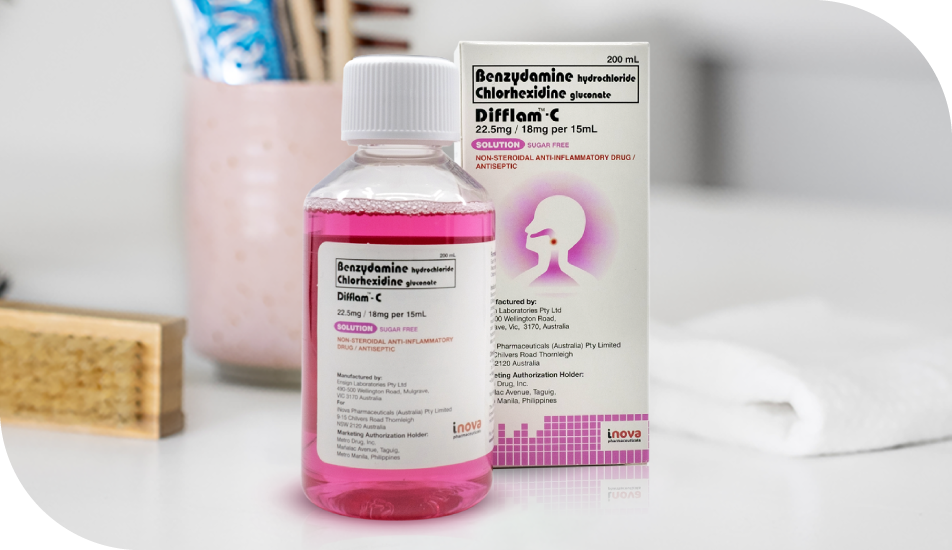
If the pain is strong or you also have a fever, over-the-counter medications can help you feel better.
Paracetamol (Acetaminophen)
A gentle pain and fever reliever. Ideal for people with sensitive stomachs.
Typical adult dose: 500–1000 mg every 6–8 hours (do not exceed 4 g per day).
Always check dosage for children based on age and weight.
Ibuprofen
An anti-inflammatory that helps reduce pain, swelling, and fever.
Typical adult dose: 400 mg every 6–8 hours with food.
Avoid if you have stomach ulcers, gastritis, kidney disease, or are pregnant (especially in late pregnancy).
Throat Sprays and Lozenges with Anesthetics
Sprays or lozenges containing benzocaine or lidocaine temporarily numb the throat, offering quick relief.
Follow instructions carefully and avoid overuse, especially in young children.
Should You Take Antibiotics?
Do not take antibiotics without medical advice.
Antibiotics only work for bacterial infections — not viral ones. Taking them unnecessarily can cause resistance, side effects, and delay proper treatment.

Signs that it might be bacterial:
- Sudden, severe sore throat.
- High fever that doesn’t improve.
- Swollen tonsils with white patches or pus.
- No cough or other cold symptoms.
If you have these symptoms, see a doctor. They can perform a rapid strep test or throat culture to confirm the cause. If it’s bacterial, they’ll prescribe an appropriate antibiotic, usually penicillin or amoxicillin, and tell you how long to take it.
Always complete the full course, even if you start to feel better.
Natural Supplements and Alternative Remedies
Some natural ingredients can complement standard care, though research results vary:
- Propolis: May have mild antibacterial effects and soothe the throat.
- Licorice root or marshmallow root: Can coat the throat and reduce irritation.
- Vitamin C and zinc: May support the immune system but don’t directly cure a sore throat.
Use these only as a supplement, not a replacement for medical treatment.
When to See a Doctor
Most sore throats improve on their own within a few days. However, you should see a doctor if you experience any of the following:
- Severe pain that lasts more than 3 days.
- High fever (over 101°F / 38.5°C) that doesn’t respond to medication.
- Difficulty swallowing or breathing.
- Visible swelling or lumps in the neck.
- White patches, pus, or bleeding in the throat.
- Rash, drooling, or inability to open the mouth.
- Persistent hoarseness lasting more than 2 weeks.

Go to the emergency room immediately if you have trouble breathing, can’t swallow fluids, or your face/neck is rapidly swelling.
Prevention Tips
- Wash your hands frequently. Prevents the spread of viruses and bacteria.
- Avoid sharing utensils or cups. Keeps germs from spreading.
- Don’t smoke and avoid secondhand smoke. Tobacco irritates the throat.
- Use a humidifier if the air is dry. Keeps your throat from drying out.
- Rest your voice. Avoid shouting or speaking for long periods.
- Get enough sleep. A strong immune system helps you recover faster.
What Not to Do
- Don’t take antibiotics without prescription.
- Don’t use throat sprays or lozenges excessively — they can worsen irritation.
- Avoid alcohol and very hot or acidic drinks.
- Don’t ignore persistent pain or fever.
- Avoid spicy or dry foods that may irritate your throat.
Daily Routine Example for Soothing a Sore Throat
Morning:
- Drink warm water with honey and lemon.
- Take paracetamol if pain or fever is present.
- Gargle with saltwater.
Afternoon:
- Drink chamomile or ginger tea.
- Rest your voice; stay hydrated.
- Use a humidifier if the air is dry.
Evening:
- Repeat saltwater gargles before bed.
- Suck on a lozenge or take a teaspoon of honey.
- Sleep 7–8 hours for recovery.
FAQs
1. What can I take for a sore throat fast?
Over-the-counter pain relievers like acetaminophen or ibuprofen can quickly reduce pain and fever. Combine them with warm fluids, honey, and saltwater gargles for faster relief.
2. Does honey really help a sore throat?
Yes. Honey soothes irritation and may reduce coughing. It doesn’t cure infections but provides comfort and moisture. Avoid giving honey to infants under one year.
3. When should I take antibiotics for a sore throat?
Only when a doctor confirms a bacterial infection, such as strep throat. Most sore throats are viral and don’t need antibiotics.
4. Do saltwater gargles actually work?
Absolutely. Saltwater gargles help decrease swelling, loosen mucus, and keep the throat clean. Use half a teaspoon of salt in a cup of warm water and repeat several times a day.
5. How long does a sore throat last?
Most sore throats caused by viruses last 3 to 7 days. If symptoms persist longer than a week or worsen, see a doctor to rule out bacterial or other causes.
Read More: Remedios Eficaces para las Hemorroides
Conclusion
Most sore throats are mild and improve within a few days using simple home care — staying hydrated, doing saltwater gargles, using honey or herbal teas, and taking pain relievers like acetaminophen or ibuprofen. Antibiotics should only be used if prescribed by a healthcare professional after confirming a bacterial infection.
Pay attention to warning signs like difficulty breathing, persistent fever, or severe pain, and seek medical help if these appear. Practicing good hygiene, avoiding smoke, and keeping the air moist can prevent future throat irritation.
With the right combination of rest, hydration, and symptom relief, your throat should start feeling better quickly — safely and naturally.