
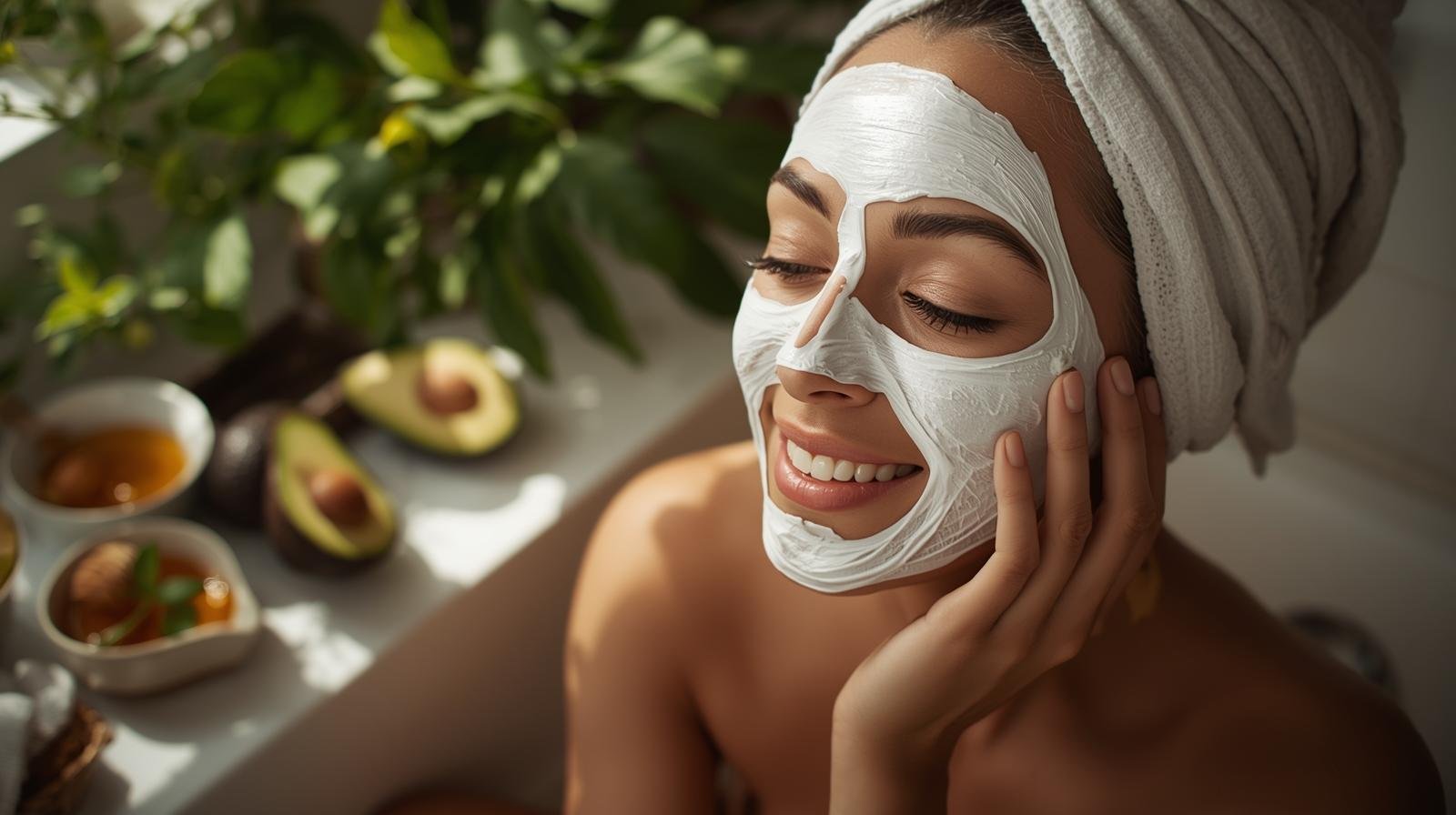
We all know yogurt is a great breakfast staple, packed with protein and gut-friendly bacteria. But did you know this creamy treat deserves a spot on your bathroom counter just as much as it does in your fridge?
For centuries, yogurt has been cherished as a natural beauty remedy, offering a budget-friendly yet highly effective solution for glowing skin. This superfood, rich in lactic acid and zinc, works wonders to brighten a dull complexion, soothe irritation, and provide deep hydration. Whether you’re looking to refresh your skin or give it a healthy boost, a yogurt face mask could be your new skincare holy grail, without the need for expensive serums.
In this post, we’ll dive into the science behind why yogurt works for skincare, share custom recipes for every skin type, and give you the essential tips you need to get started safely.
Why Yogurt Is a Skincare Superfood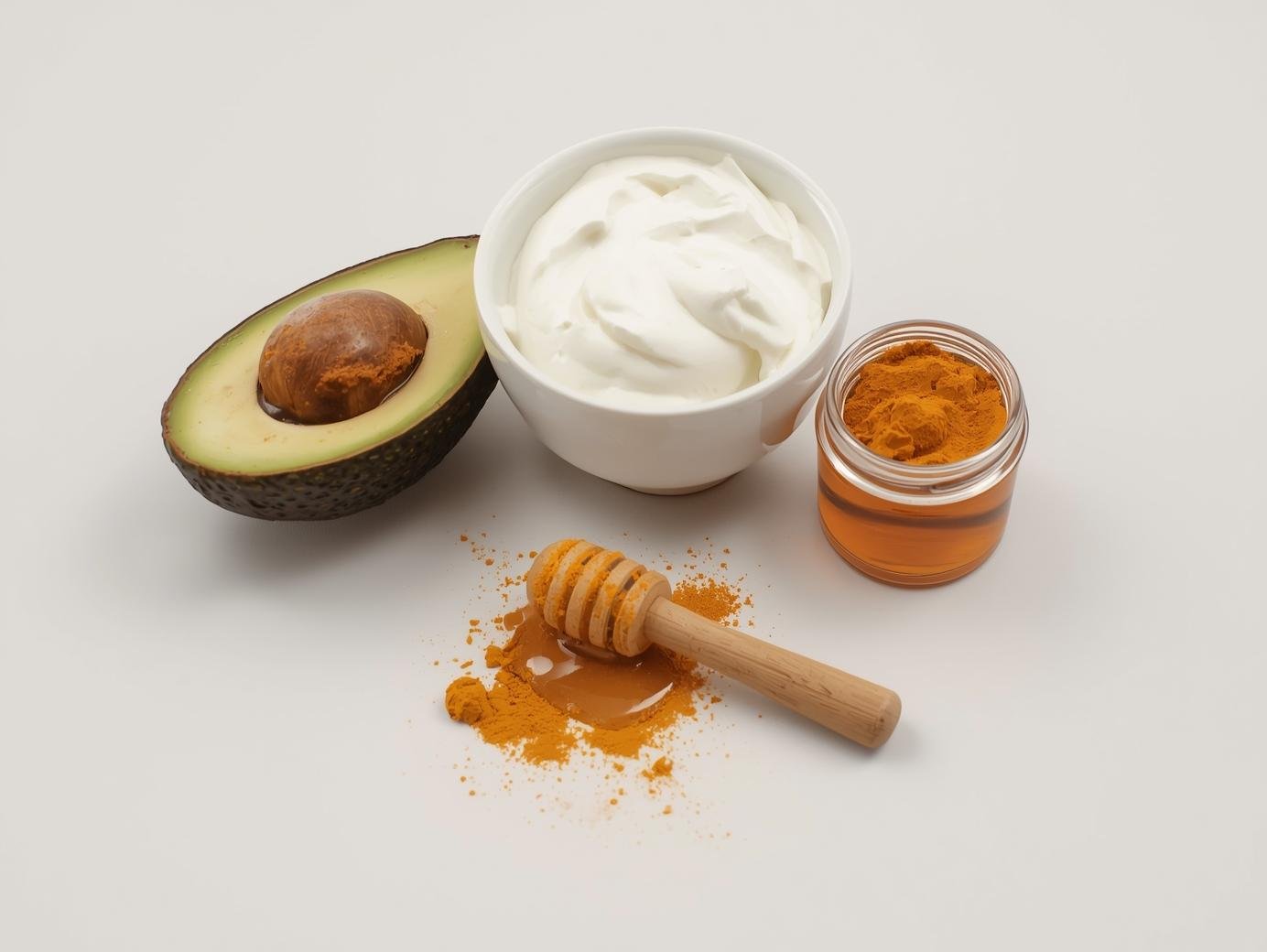
It might seem strange to smear breakfast food on your face, but yogurt’s chemical composition makes it a powerhouse for skin health. It isn’t just a folk remedy; there is real science backing up the glow.
The Power of Lactic Acid
Yogurt is rich in lactic acid, an alpha hydroxy acid (AHA) commonly found in expensive chemical exfoliants. Lactic acid gently dissolves the glue that holds dead skin cells together. When you wash the mask off, you aren’t just cleaning your face; you are revealing fresher, brighter skin underneath. This gentle exfoliation helps smooth rough texture and can even help reduce the appearance of fine lines over time.
Probiotics for Balance
You eat yogurt for the probiotics, and your skin loves them too. Our skin has its own microbiome—a delicate balance of bacteria that keeps it healthy. External stressors like pollution and harsh cleansers can disrupt this balance, leading to acne and irritation. The probiotics in yogurt help restore this natural barrier, calming inflammation and fighting off acne-causing bacteria.
Deep Hydration and Zinc
Beyond exfoliation and balancing, yogurt is deeply moisturizing. Its creamy texture locks in water, making it excellent for dry or dehydrated skin. Additionally, yogurt contains zinc, a mineral known for its anti-inflammatory properties. Zinc can help reduce redness and regulate oil production, making yogurt a versatile ingredient for both dry and oily skin types.
DIY Yogurt Mask Recipes for Every Skin Type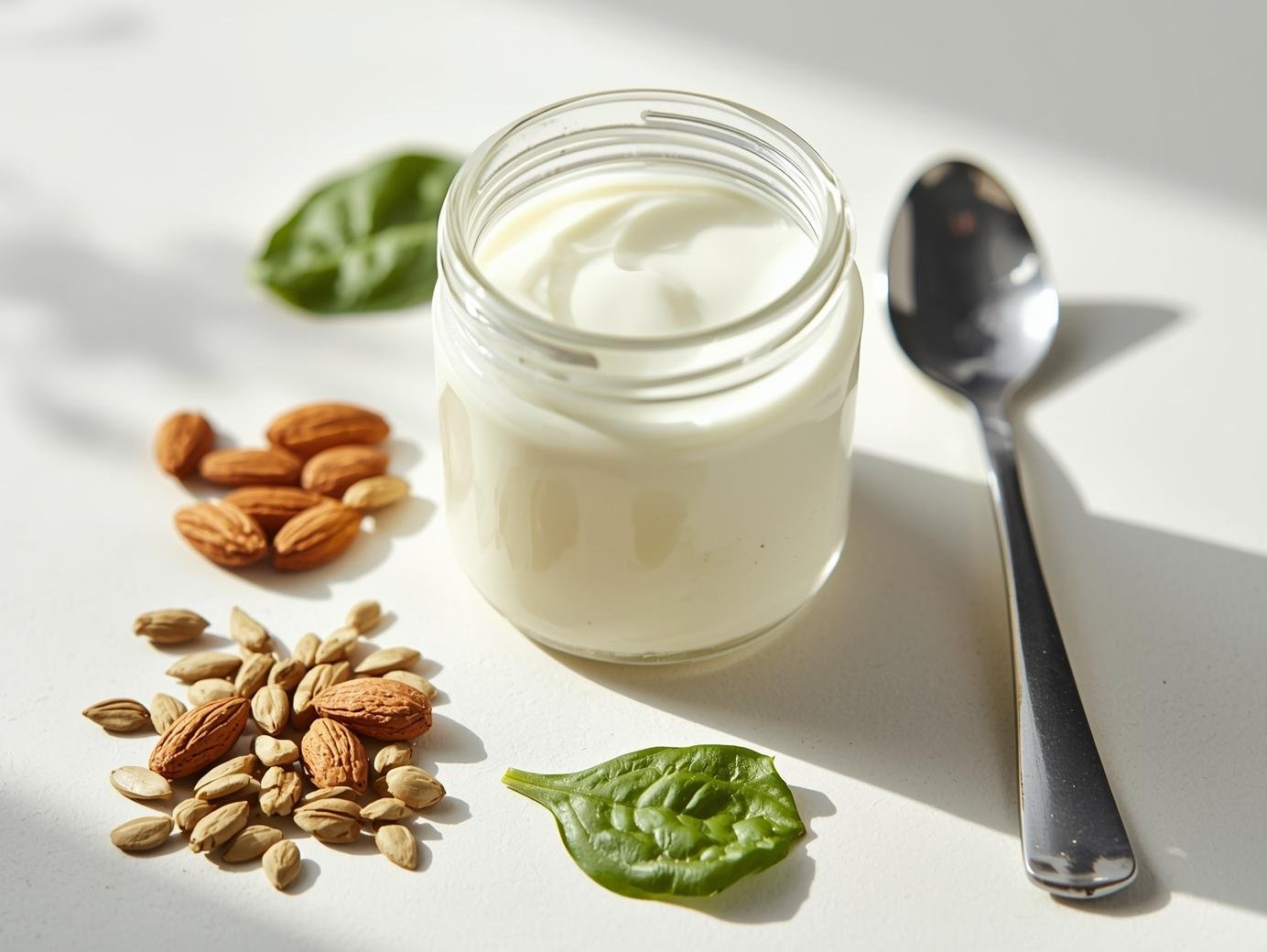
Ready to try it out? You don’t need a chemistry degree to whip up these masks. Just head to your kitchen.
Pro Tip: Always use plain, unflavored, and unsweetened yogurt. Greek yogurt is often the best choice because its thick consistency stays on your face better than runnier varieties.
1. The Hydration Hero (For Dry Skin)
If your skin feels tight or flaky, this mask delivers a double dose of moisture.
- Ingredients:
- 1 tablespoon plain Greek yogurt
- 1 teaspoon raw honey
- 1 teaspoon mashed avocado (optional)
Why it works: Honey is a natural humectant, meaning it draws moisture from the air into your skin. Combined with the fats in avocado and yogurt, it creates a rich barrier that restores suppleness.
Instructions: Mix ingredients until smooth. Apply to your face and leave for 15–20 minutes. Rinse with lukewarm water.
2. The Glow Getter (For Dull or Uneven Skin)
This mask is perfect for when your skin looks tired and needs a quick pick-me-up.
- Ingredients:
- 1 tablespoon plain yogurt
- Pinch of turmeric powder
- A few drops of lemon juice
Why it works: Turmeric is famous for its anti-inflammatory and brightening properties. The citric acid in lemon juice works alongside the lactic acid in yogurt to help fade dark spots. Note: Be careful with turmeric as it can stain light skin or clothes, and use lemon juice sparingly as it can be photosensitizing.
Instructions: Mix well. Apply a thin layer and leave for 10 minutes. Rinse thoroughly.
3. The Oil Control Scrub (For Oily or Acne-Prone Skin)
This dual-action mask works as a treatment and a gentle scrub to keep pores clear.
- Ingredients:
- 1 tablespoon plain yogurt
- 1 teaspoon ground oats (oatmeal)
- 1/2 teaspoon honey (for its antibacterial properties)
Why it works: Oats absorb excess oil and act as a physical exfoliant to slough off dead skin cells. The zinc in the yogurt helps regulate sebum production, while honey targets bacteria.
Instructions: Combine ingredients. Massage gently onto your face in circular motions for 1 minute, then let sit for another 10 minutes. Rinse off with cool water.
4. The Calming Cream (For Sensitive Skin)
Redness and irritation don’t stand a chance against this soothing blend.
- Ingredients:
- 1 tablespoon plain yogurt
- 1 teaspoon aloe vera gel
- 1 teaspoon cucumber juice (or grated cucumber)
Why it works: Aloe vera and cucumber are cooling agents that reduce heat and redness instantly. Yogurt provides a gentle base that doesn’t strip the skin barrier.
Instructions: Mix ingredients gently. Apply generously and relax for 15 minutes. This feels especially good if the ingredients are chilled beforehand.
Best Practices for Safe Application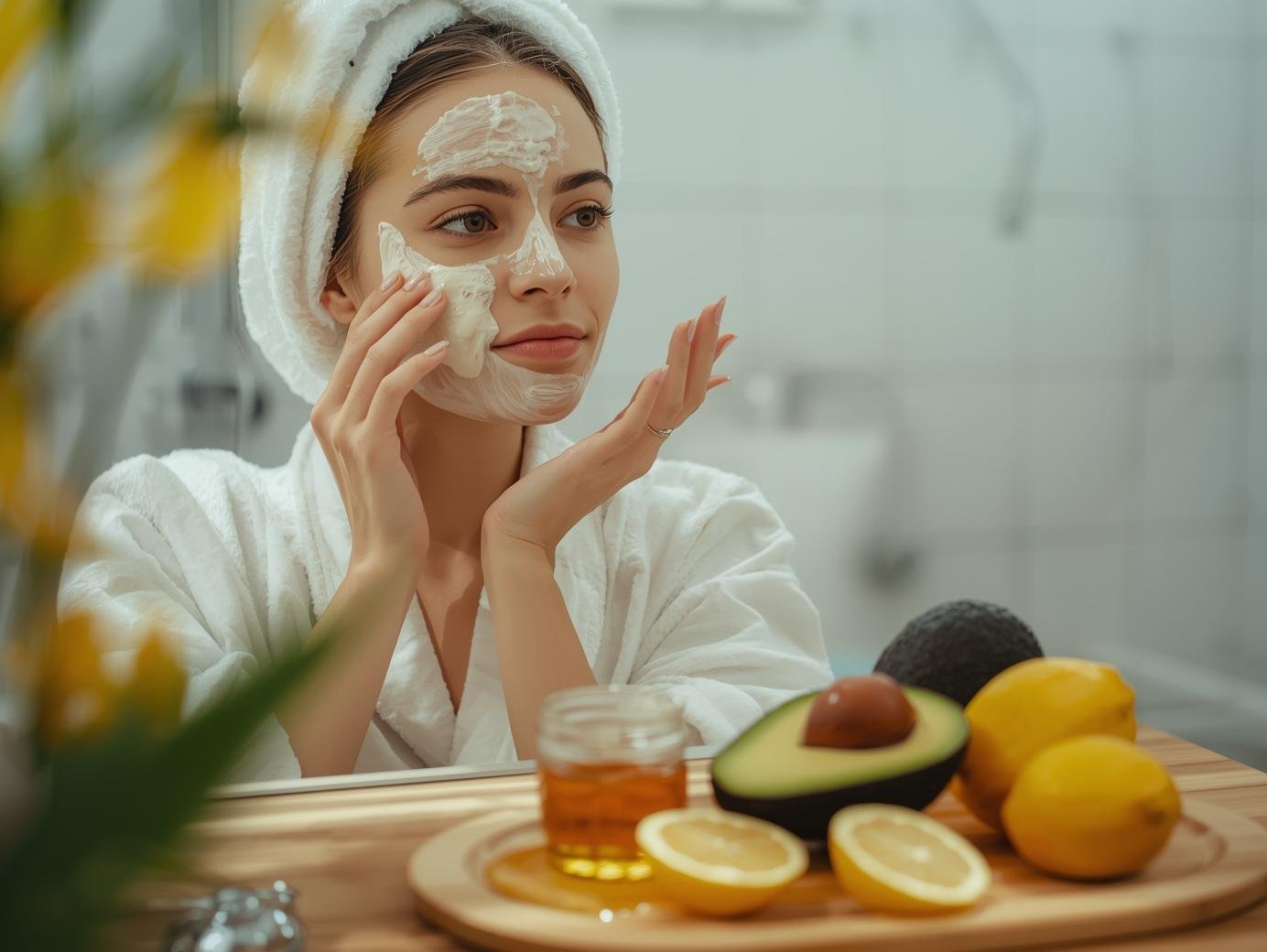
Before you dive headfirst into the yogurt tub, keep these safety tips in mind to ensure your DIY spa day is a success.
Always Patch Test
Even natural ingredients can cause reactions. Before applying a mask to your entire face, dab a small amount of the mixture on your inner wrist or behind your ear. Wait 24 hours to see if any redness, itching, or irritation occurs. This is especially crucial if you are using active ingredients like lemon juice or spices like turmeric.
Frequency Matters
While yogurt is gentle, it still contains exfoliating acids. Using it too often can disrupt your skin barrier. Start with once a week to see how your skin responds. If your skin tolerates it well, you can increase usage to two times a week.
Watch the Expiration Date
Since you are using fresh food ingredients, treat your face mask like perishable food. Do not make huge batches to store in the bathroom cabinet. Mix only what you need for a single application. If you have leftovers, they won’t keep well, so it’s best to discard them.
Sun Protection is Key
Because lactic acid (and lemon juice, if you use it) exfoliates the skin, it can make your face more sensitive to the sun. Always follow up your skincare routine with a broad-spectrum sunscreen of at least SPF 30 during the day.
Conclusion
Yogurt face masks are a fantastic entry point into natural skincare. They are customizable, cost-effective, and backed by the science of lactic acid and probiotics. Whether you are fighting winter dryness or summer breakouts, there is a yogurt recipe sitting in your fridge right now that can help.
Give one of these recipes a try this week. Your skin—and your wallet—will thank you.
FAQS
1. Should I Use Yogurt on My Skin Every Day?
The short answer: No, it is generally better to stick to a few times a week.
2. Is It Safe to Sleep with Yogurt on My Face?
The short answer: No, it is generally better to stick to a few times a week.
3. Can Yogurt Actually Help Clear Acne?
The short answer: Yes, it can be a helpful supporting player in fighting acne.
4. What Are the Best Ingredients to Mix with Yogurt?
The short answer: You can mix yogurt with almost any natural pantry staple, depending on your goal.
5. Which Type of Yogurt Should I Buy for Skincare?
The short answer: Plain, unsweetened, full-fat Greek yogurt is the gold standard.