
Introduction
Feeling burning or itching in your intimate area is uncomfortable and often worrying. These symptoms are very common and can have several causes — from mild irritation to infections that need medical attention. In most cases, they are treatable, but identifying the exact cause is crucial before taking any medication.
This guide explains the most common causes of vaginal or genital burning and itching, what safe treatments (over-the-counter and prescription) are available, when to avoid self-medication, and when it’s time to consult a healthcare professional. The goal is to provide you with accurate, evidence-based, and user-friendly information following the EEAT principles (Expertise, Experience, Authoritativeness, and Trustworthiness). Whether you suspect a yeast infection, bacterial imbalance, irritation, or something else, you’ll learn what to do, what to avoid, and how to feel better safely.
1. Common Causes of Burning and Itching in the Intimate Area
Burning and itching can appear for many reasons. Understanding the cause helps you choose the right treatment.
1.1. Yeast Infection (Candidiasis)
A yeast infection is one of the most frequent causes. It happens when Candida albicans, a type of fungus, overgrows in the vaginal area.
Typical symptoms:
- Intense itching and burning
- White, thick, “cottage cheese-like” discharge
- Redness and swelling of the vulva
- Pain during urination or sex
1.2. Bacterial Vaginosis (BV)
BV occurs when the balance of good and bad bacteria in the vagina changes.
Typical symptoms:
- Thin, grayish discharge
- Fishy or unpleasant odor
- Mild burning or itching
- Often no redness or swelling
1.3. Irritation or Contact Dermatitis
Soaps, scented wipes, laundry detergents, or even tight underwear can irritate sensitive skin.
Typical symptoms:
- Burning and redness without discharge
- Itching that worsens after contact with a specific product
- Dry or flaky skin in the area
1.4. Sexually Transmitted Infections (STIs)
Certain STIs — like chlamydia, trichomoniasis, genital herpes, or gonorrhea — may also cause itching, burning, or pain.
Typical symptoms:
- Burning during urination
- Unusual discharge (yellow, green, or foamy)
- Blisters or sores
- Pelvic or lower-abdominal pain
1.5. Hormonal Changes or Dryness
In menopause, postpartum, or with hormonal contraceptives, estrogen levels may drop, leading to dryness and burning sensations.
2. What You Can Take for Burning and Itching
Important: Before taking any medication, try to identify the cause. Using the wrong product — for example, an antibiotic when the cause is fungal — can make symptoms worse.
2.1. If It’s a Yeast Infection
Over-the-Counter (OTC) Antifungal Creams or Suppositories
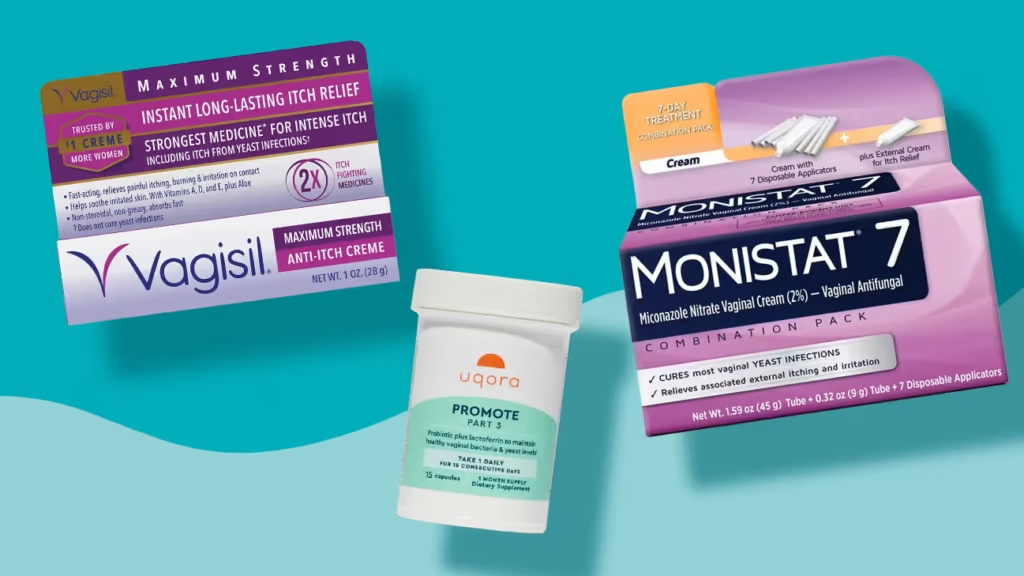
- Clotrimazole, Miconazole, or Tioconazole creams are effective for mild, uncomplicated yeast infections.
- Usually applied once or twice daily for 3–7 days.
- Avoid using during pregnancy unless your doctor confirms it’s safe.
Prescription Option
- Fluconazole (oral pill, 150 mg single dose) — often prescribed for moderate infections or recurrent cases.
- Not recommended without a doctor’s guidance if you are pregnant, breastfeeding, or taking other medications.
Self-care tip: Avoid scratching. Apply a cool compress for a few minutes to calm irritation.
2.2. If It’s Bacterial Vaginosis
Prescription Antibiotics
- Metronidazole (oral or vaginal gel) or Clindamycin (cream or pills) are the first-line treatments.
- Do not drink alcohol while taking metronidazole (may cause nausea and cramps).
- Complete the full course even if symptoms improve early.
OTC products are not effective for BV; it always needs prescription medication.
2.3. If It’s Irritation or Contact Dermatitis
- Stop using scented soaps, perfumed wipes, sprays, or new detergents.
- Wash gently with lukewarm water and mild, fragrance-free soap.
- Wear loose, cotton underwear and avoid tight clothes.
- For mild inflammation, your doctor may recommend a low-strength hydrocortisone cream for a few days.
- Moisturizing ointments (petroleum jelly or hypoallergenic emollients) can soothe irritation.
2.4. If It’s a Sexually Transmitted Infection
- Only a healthcare provider can diagnose an STI.
- Treatments may include antibiotics, antivirals, or antiparasitic drugs depending on the infection.
- Never self-medicate — untreated STIs can lead to pelvic inflammatory disease, infertility, or transmission to partners.
2.5. General Relief Measures
Regardless of cause, the following can help relieve discomfort:
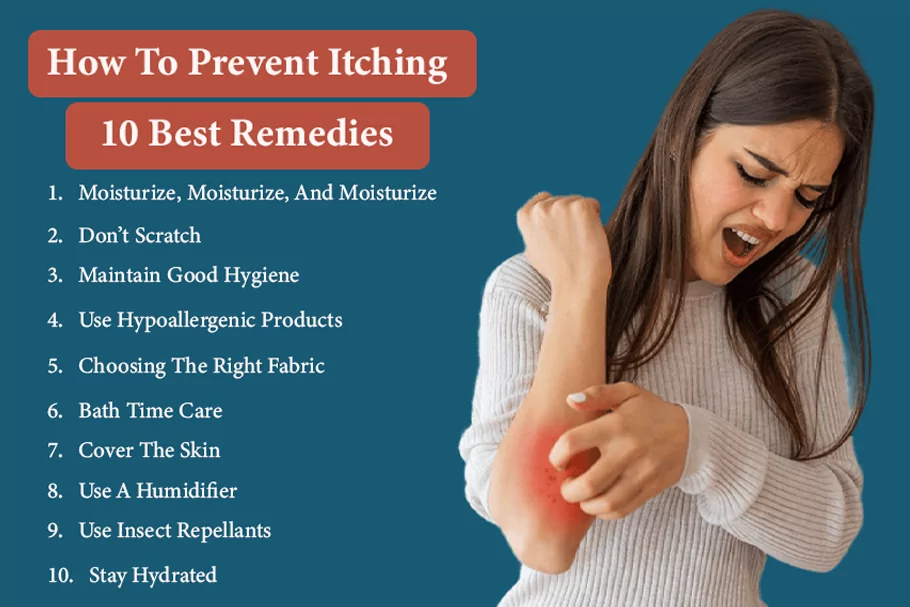
- Keep the area clean and dry, but avoid overwashing.
- Use unscented, pH-balanced intimate cleansers or plain water.
- Avoid douching — it disrupts natural flora.
- Sleep in loose clothing or without underwear to let the skin breathe.
- Avoid sexual intercourse until symptoms resolve.
3. Key Precautions Before Taking Any Medication
- Avoid self-diagnosis if symptoms are new, severe, or recurrent.
Similar symptoms can have very different causes. - Do not use leftover antibiotics.
Antibiotics can worsen yeast infections. - If you’re pregnant or breastfeeding, always consult your doctor before taking any oral or vaginal medication.
- Check for drug interactions.
Fluconazole and metronidazole can interact with other medications like blood thinners or diabetes drugs. - Never apply home remedies like vinegar, garlic, or yogurt directly inside the vagina.
These can disrupt the vaginal microbiome and cause more irritation.
4. How to Tell the Difference Between Conditions (Quick Comparison Table)
| Symptom | Likely Cause | Other Clues |
|---|---|---|
| Thick white discharge, intense itching | Yeast infection | Often after antibiotics or heat exposure |
| Gray discharge, fishy odor | Bacterial vaginosis | Usually no redness, more odor after sex |
| Burning, redness, no discharge | Irritation / contact dermatitis | After using new products or tight clothing |
| Blisters, pain, ulcers | Herpes (STI) | May come with flu-like symptoms |
| Itching, yellow or green discharge | Trichomoniasis (STI) | Often accompanied by bad odor and pain |
5. When to See a Doctor Urgently
Seek medical attention immediately if you notice:
- Fever or pelvic pain
- Painful urination or sores
- Strong, foul-smelling discharge
- Bleeding outside your menstrual period
- Symptoms that return frequently (more than 4 times a year)
- You’re pregnant or have diabetes or a weakened immune system
6. How to Prevent Burning and Itching in the Future
Hygiene Tips
- Clean only the external genital area once or twice daily with mild soap.
- Avoid douching — it removes protective bacteria.
- After using the toilet, wipe from front to back to prevent bacteria from the rectum reaching the vagina.

Lifestyle Habits
- Change out of wet swimsuits or workout clothes promptly.
- Sleep in breathable, cotton underwear.
- Avoid tight jeans or synthetic fabrics.
- Eat a balanced diet rich in yogurt or probiotic foods to support healthy vaginal flora.
Sexual Health
- Use condoms to reduce risk of STIs.
- Urinate and clean gently after intercourse.
- Avoid using flavored or scented lubricants if you have sensitive skin.
7. Expert-Approved Tips for Faster Recovery
- Follow full treatment instructions — stopping early increases recurrence risk.
- Avoid scratching; it damages the skin and increases infection risk.
- Stay hydrated and maintain a healthy diet; your immune system helps balance vaginal flora.
- Avoid tight pantyhose or thongs while symptoms persist.
- Track symptoms in a notebook: date, triggers, products used — this helps your doctor identify the pattern.
8. What Doctors Usually Do During an Evaluation
During a medical visit, the healthcare provider may:
- Ask about symptoms, sexual activity, hygiene habits, and recent antibiotic use.
- Examine the vulva and vagina.
- Take a small sample of discharge for testing (microscopy, pH, or culture).
- Prescribe the correct treatment — antifungal, antibiotic, antiviral, or hormonal — depending on the results.
This simple process helps avoid unnecessary medication and ensures proper healing.
9. When It’s Safe to Use Home Remedies (and When It’s Not)
Mild irritation (without discharge or strong odor) may respond to:
- Cool compresses or baking soda sitz baths (1–2 teaspoons in warm water, 10 minutes).
- Natural, fragrance-free moisturizers applied externally.
However, do not use:
- Vinegar, hydrogen peroxide, or lemon — they cause burns.
- Essential oils directly on the skin.
- Yogurt inserted internally — it’s not sterile and may worsen infection.
Always use home remedies only as comfort measures, never as full treatment.
10. Special Considerations During Pregnancy
Hormonal changes during pregnancy increase the risk of yeast infections.
- Most topical antifungal creams are safe during pregnancy, but oral fluconazole is generally avoided.
- Always consult your obstetrician before starting any treatment.
- BV or STIs must be treated promptly to reduce risks of preterm labor or complications.
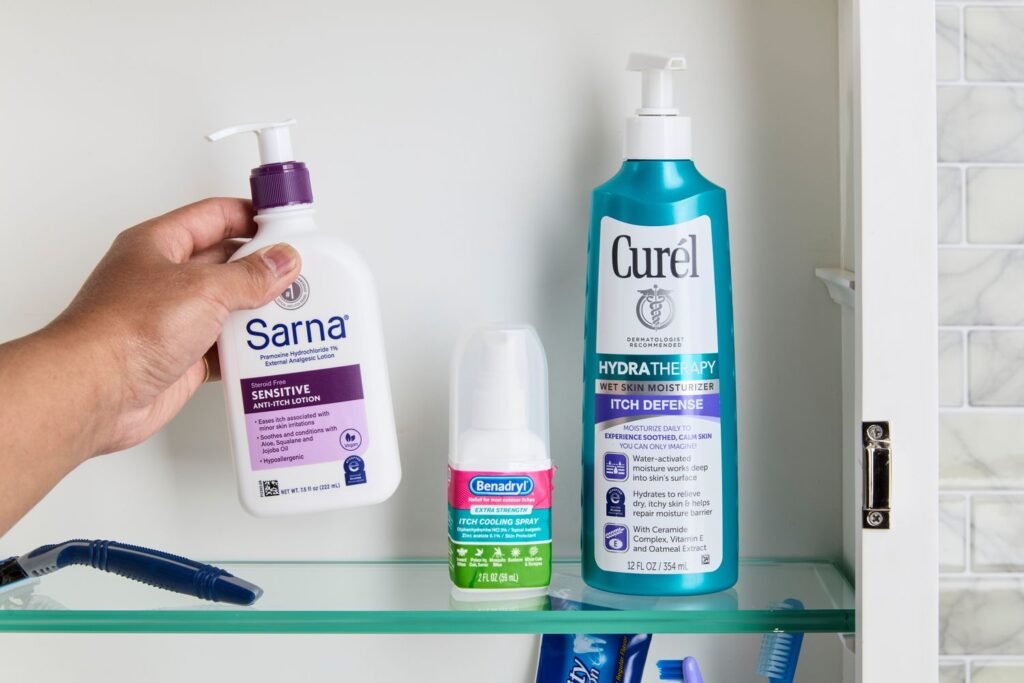
11. Summary Table: What to Take (By Cause)
| Condition | Main Treatment | OTC or Prescription? | Consult Doctor? |
|---|---|---|---|
| Yeast infection | Clotrimazole / Miconazole / Fluconazole | OTC or Rx | If pregnant or recurrent |
| Bacterial vaginosis | Metronidazole / Clindamycin | Prescription | Always |
| Irritation / dermatitis | Stop irritants, mild cream | OTC (mild cases) | If persists >3 days |
| STI | Specific antibiotic / antiviral | Prescription only | Always |
| Dryness (menopause) | Vaginal moisturizers / estrogen creams | Prescription | Recommended |
Conclusion
Burning and itching in the intimate area are common but manageable problems. In many cases, they result from yeast infections, bacterial vaginosis, or irritation, and each requires a different treatment. While over-the-counter antifungal creams can help if you’ve had yeast infections before and recognize the symptoms, it’s best to avoid self-diagnosis the first time symptoms appear. If pain, fever, discharge, or a strong odor accompany the discomfort — or if you’re pregnant — a medical evaluation is essential.
Good hygiene, breathable clothing, balanced diet, and avoiding irritants help prevent recurrence. Remember: most causes are minor when treated correctly, but ignoring or mistreating them can lead to chronic discomfort or complications. Listen to your body, seek professional advice when unsure, and take care of your intimate health with confidence.
Read More: What to Take for a Sore Throat: Best Remedies, Medicines
FAQs
1. What can I take for burning and itching in my private area?
If it’s a yeast infection, OTC antifungal creams (like clotrimazole or miconazole) or one fluconazole pill may help. If symptoms are new or uncertain, see a doctor before taking anything.
2. Can antibiotics cure vaginal itching?
Only if the cause is bacterial vaginosis or another bacterial infection. Using antibiotics without a diagnosis can worsen fungal infections.
3. How long does it take for itching to go away after treatment?
Most mild yeast infections improve within 2–3 days of starting antifungal treatment. Bacterial vaginosis may take 5–7 days with antibiotics.
4. Are home remedies safe for vaginal burning?
Some gentle measures like cool compresses or baking soda baths can soothe irritation, but home remedies don’t cure infections. Avoid vinegar, garlic, or oils.
5. Should I worry if I’m pregnant and have burning or itching?
Yes — always check with your doctor. Some medications are not safe during pregnancy, and infections like BV or yeast should be properly treated to avoid complications.