
Introduction
Noticing a bump on the roof of your mouth can be worrying, especially when it appears suddenly or feels sore. The good news is that most bumps inside the mouth are harmless and temporary. They can appear due to a range of simple causes — like irritation from hot food, canker sores, or harmless bone growths called palatal tori. However, in some cases, bumps can signal infections or more serious conditions that need medical attention.
Understanding what causes these bumps, how to recognize warning signs, and when to seek professional care can save you unnecessary stress and ensure proper treatment. This guide explains the common reasons for bumps on the palate, how to treat them at home safely, and when it’s time to visit a dentist or doctor. Let’s explore what your symptoms might mean and what steps to take for quick relief and peace of mind.
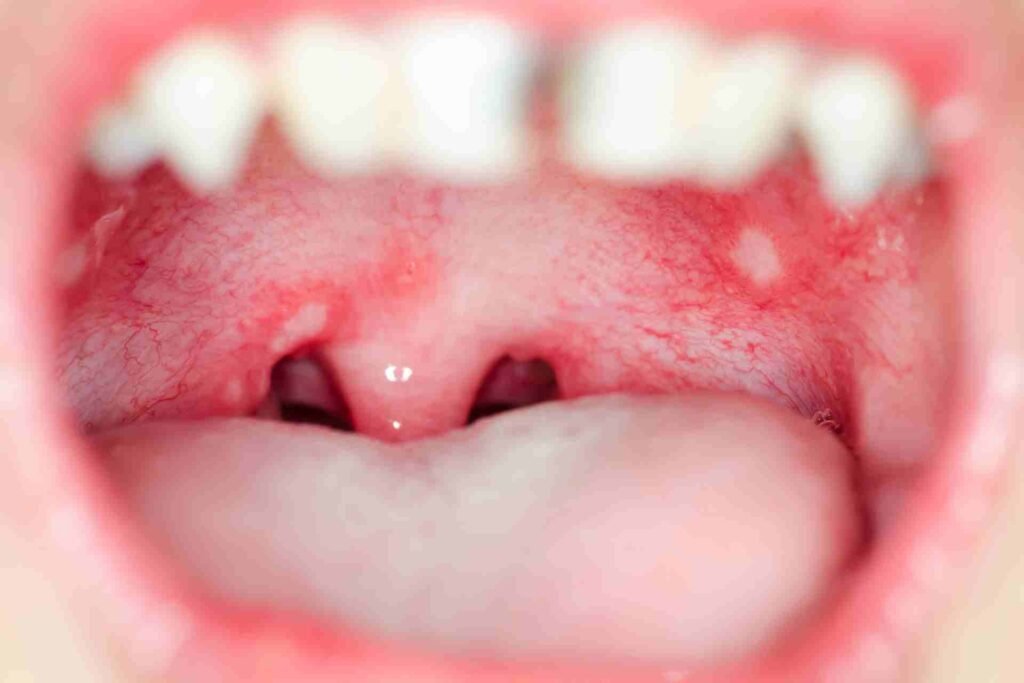
Common Causes of a Bump on the Roof of the Mouth
1. Minor Trauma or Burns
Eating or drinking something too hot is the most common reason for a sore or swollen spot on the palate. Thermal burns can create blisters or tender bumps that heal within a few days. Crunchy or sharp foods can also scrape the delicate oral tissue, causing small raised areas as the body repairs itself.
What to do:
Rinse your mouth with warm saltwater, avoid spicy or hard foods, and let the tissue heal naturally. It usually resolves in 3–5 days.
2. Canker Sores (Aphthous Ulcers)
Canker sores are small, round ulcers that can form on the roof of the mouth or inside the cheeks. They are not contagious and often develop due to stress, mouth injury, or certain foods. They may appear as a white or yellow spot surrounded by a red border and can be painful when eating or talking.
What to do:
Use mild saltwater rinses, avoid acidic foods, and apply an over-the-counter numbing gel for pain relief. Most heal within 1–2 weeks.
3. Mucoceles (Mucous Cysts)
A mucocele is a small, fluid-filled bump caused by a blocked or damaged salivary gland. It often feels soft and moves slightly when pressed. Mucoceles are generally painless but can be annoying or interfere with eating.
What to do:
Small mucoceles may go away on their own. If they persist, your dentist may recommend a minor procedure to remove the cyst or the affected salivary gland.
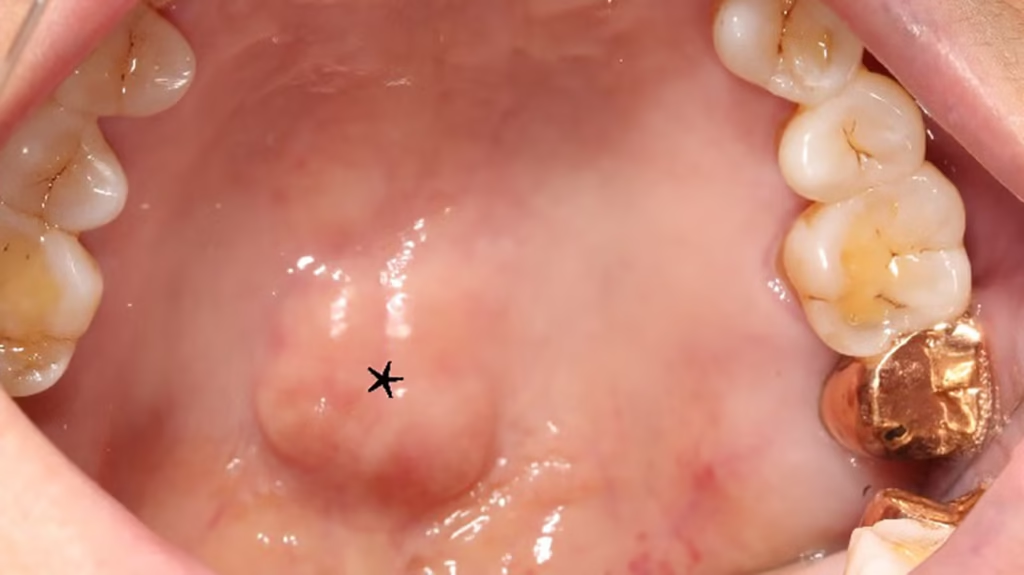
4. Torus Palatinus (Bony Growth)
A torus palatinus is a harmless, hard bony lump that develops in the center of the hard palate. It’s not an infection or tumor — simply a natural bony growth that some people are born with or develop slowly over time.
What to do:
No treatment is necessary unless it interferes with dentures, causes frequent injury, or affects eating or speaking. In such cases, it can be surgically removed.
5. Infections (Bacterial, Viral, or Fungal)
Certain infections can cause bumps, blisters, or swelling on the palate.
- Viral infections like herpes simplex can cause clusters of painful blisters.
- Bacterial infections such as strep throat or sinus infections may cause red or swollen areas.
- Fungal infections (oral thrush) often appear as white patches that can form raised bumps underneath.
What to do:
If you experience fever, sore throat, or persistent discomfort, see a healthcare provider. Treatment depends on the cause — antiviral, antibacterial, or antifungal medications may be prescribed.
6. Oral Thrush (Candidiasis)
This yeast infection causes creamy white lesions that may look like bumps or patches on the roof of the mouth, tongue, and inner cheeks. It’s common in people using inhalers, antibiotics, or with weakened immune systems.
What to do:
Maintain good oral hygiene, limit sugar intake, and use antifungal mouth rinses or medications prescribed by your dentist or doctor.
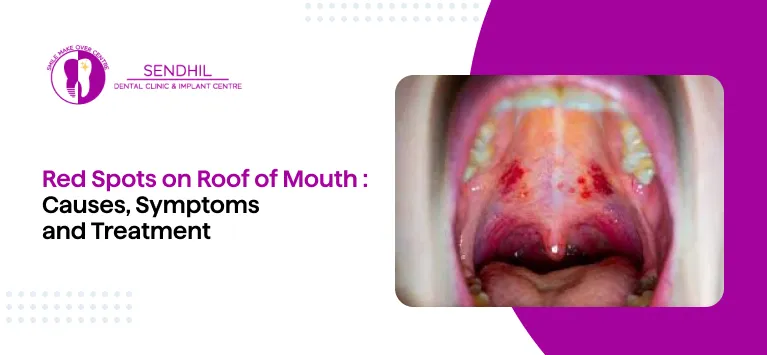
7. Palatal Petechiae (Small Red Spots)
Tiny red or purple spots can appear on the roof of the mouth due to mild trauma (like hard coughing), infections such as strep throat, or viral illnesses. They are typically not raised but may feel slightly textured.
What to do:
Rest, hydrate, and let your immune system heal. If the spots don’t fade in a week or are accompanied by fever or sore throat, seek medical care.
8. Oral Cancer (Rare but Serious)
While uncommon, a persistent, painless bump or ulcer that doesn’t heal within two weeks may be an early sign of oral cancer. Warning signs include a firm lump, color change, bleeding, or difficulty swallowing.
What to do:
If a bump doesn’t heal after two weeks or keeps growing, schedule an oral examination immediately. Early detection greatly improves treatment success.
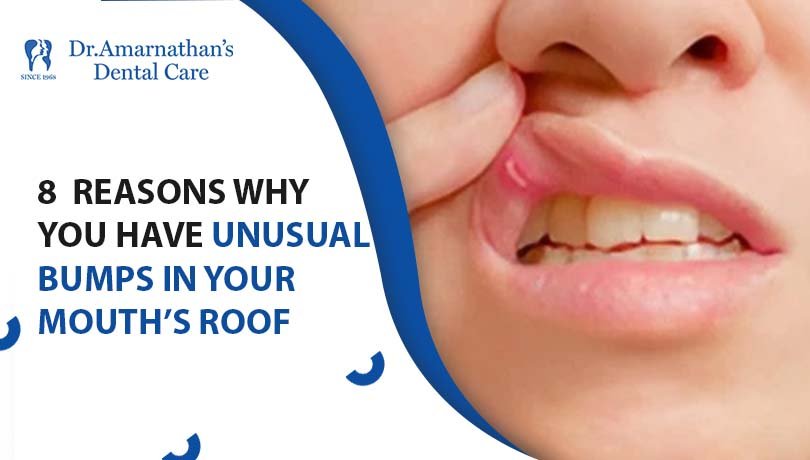
How to Self-Check and Identify the Type of Bump
Here’s how to perform a quick, safe self-assessment at home:
- Location – Is the bump in the center (possible torus) or off to one side (possible cyst or ulcer)?
- Texture – Soft and fluid-filled may indicate a cyst; hard and bony may indicate a torus.
- Pain level – Painful bumps usually come from irritation, infection, or ulcers. Painless ones should still be monitored.
- Color – Red or white patches can suggest irritation or infection; translucent bumps often indicate mucoceles.
- Duration – Anything lasting more than two weeks should be evaluated by a dentist or doctor.
Never attempt to pop or remove a bump yourself — it can worsen infection or delay healing.
Home Remedies and Self-Care Tips
If your bump seems minor and not linked to infection or other symptoms, try these home remedies for relief:
- Warm Saltwater Rinse: Dissolve half a teaspoon of salt in warm water and rinse several times daily to reduce bacteria and inflammation.
- Cold Compress or Ice Chips: Helps numb pain and reduce swelling.
- Good Oral Hygiene: Brush gently and rinse after meals to prevent further irritation.
- Avoid Irritants: Skip spicy, crunchy, or acidic foods, and avoid alcohol or tobacco until healing.
- Stay Hydrated: Dry mouth delays healing — drink plenty of water throughout the day.
- OTC Pain Relief: Over-the-counter painkillers like acetaminophen or ibuprofen can ease discomfort if needed.
These methods often help minor bumps heal within a few days.
When to See a Dentist or Doctor
See a professional promptly if you experience any of the following:
- The bump lasts more than two weeks.
- It increases in size or becomes hard and immovable.
- The area bleeds, ulcerates, or changes color.
- You have difficulty swallowing, speaking, or breathing.
- You notice unexplained weight loss, ear pain, or swollen lymph nodes.
Your dentist or doctor can examine the area, possibly perform imaging or a biopsy, and determine the cause. Many conditions can be treated easily if diagnosed early.
Professional Treatment Options
Depending on the cause, treatment may include:
- Topical or Oral Medications: For ulcers or infections, doctors may prescribe mouth rinses, steroid gels, antivirals, or antifungal medications.
- Drainage or Removal: Mucoceles or abscesses may require minor surgical drainage or removal of affected glands.
- Surgical Removal: For palatal tori or suspicious lumps, surgical excision can be performed safely under local anesthesia.
- Biopsy and Further Tests: If a bump looks abnormal or persists, a biopsy determines whether it’s benign or malignant.
- Lifestyle Modifications: Quitting smoking, reducing alcohol, and improving oral hygiene can prevent recurrence.
Prevention Tips
- Avoid very hot foods and drinks to prevent burns.
- Chew slowly to avoid biting or injuring the palate.
- Maintain regular dental checkups for early detection of oral changes.
- Keep dentures or oral appliances clean and well-fitted.
- Boost your immune system with balanced nutrition and hydration.
- Avoid tobacco and limit alcohol — both increase oral health risks.
Taking care of your mouth daily reduces your risk of irritation and infections that can lead to bumps.
FAQs
1. What causes a bump on the roof of my mouth?
Common causes include burns from hot food, canker sores, mucoceles (salivary gland cysts), palatal tori (bony growths), and infections. Most are temporary and heal on their own, but persistent or painful bumps should be checked by a dentist.
2. How do I get rid of a bump on the roof of my mouth?
Minor bumps usually heal naturally within days. Rinse with warm saltwater, avoid irritating foods, and keep the area clean. If the bump lasts longer than two weeks or causes pain, see a professional for diagnosis and treatment.
3. Is a bump on the roof of the mouth a sign of cancer?
Most bumps are harmless, but a firm, painless lump that doesn’t heal, bleeds, or grows over time could indicate oral cancer. Early examination and biopsy are essential for diagnosis. See your dentist or doctor if you’re unsure.
4. What does a torus palatinus feel like?
A torus palatinus feels like a hard, smooth lump located in the center of the roof of your mouth. It’s made of bone and doesn’t cause pain or change size quickly. It’s not dangerous and usually doesn’t require treatment.
5. When should I worry about a bump on the roof of my mouth?
You should be concerned if the bump persists longer than two weeks, becomes painful, bleeds, or is accompanied by other symptoms like sore throat, fever, or weight loss. In such cases, it’s important to seek a professional evaluation.
Read More: Calories in Two Boiled Eggs Nutrition, Protein
Conclusion
A bump on the roof of your mouth is usually nothing to panic about — most are caused by minor burns, irritation, or harmless growths. Simple home remedies like saltwater rinses, gentle oral care, and avoiding spicy foods can help most heal quickly. However, if your bump persists beyond two weeks, grows, or feels unusual, don’t ignore it. Early evaluation by a dentist or doctor is key to ruling out infections or rare but serious conditions such as oral cancer.
Your mouth reflects your overall health, so paying attention to changes — even small ones — helps catch issues early. Keep up with regular dental visits, maintain excellent oral hygiene, and make healthy lifestyle choices. If you ever feel unsure about a lump or sore in your mouth, it’s always safest to have it checked promptly for peace of mind and the best outcome.