
Introduction
High blood pressure, or hypertension, is a prevalent condition that affects millions globally. Often termed the “silent killer,” it can lead to severe health complications like heart disease, stroke, and kidney failure if left unmanaged.
Fortunately, various medications are available to help control blood pressure effectively. This article delves into the different classes of antihypertensive drugs, their mechanisms of action, potential side effects, and essential considerations for their use
What Are Blood Pressure Medications?
Blood pressure medications, also known as antihypertensives, are drugs designed to lower high blood pressure. They work through various mechanisms to relax blood vessels, reduce heart rate, or decrease fluid volume, thereby lowering blood pressure. Common classes include:
- Diuretics: Often referred to as “water pills,” they help the kidneys eliminate excess sodium and water, reducing blood volume and lowering blood pressure.
- Beta-blockers: These medications reduce heart rate and the force of heart contractions, leading to decreased blood pressure.
- ACE inhibitors: They block the production of a hormone that narrows blood vessels, allowing blood to flow more easily.
- Angiotensin II receptor blockers (ARBs): Similar to ACE inhibitors, they prevent the hormone from affecting blood vessels.
- Calcium channel blockers: They relax and widen blood vessels by inhibiting calcium from entering heart and blood vessel muscle cells.
- Direct vasodilators: These medications directly relax the muscles in blood vessel walls, leading to vessel dilation and reduced blood pressure.
How Do These Medications Work?
- Diuretics: By increasing urine production, they reduce the amount of fluid in the bloodstream, leading to lower blood pressure.
- Beta-blockers: They block the effects of adrenaline, slowing the heart rate and reducing blood pressure.
- ACE inhibitors and ARBs: They interfere with the renin-angiotensin system, preventing blood vessel constriction and promoting vessel relaxation.
- Calcium channel blockers: They prevent calcium from entering heart and blood vessel cells, leading to relaxed blood vessels and reduced blood pressure.
- Direct vasodilators: They act directly on the blood vessel walls to relax them, reducing blood pressure.

Common Side Effects
While effective, antihypertensive medications can have side effects:
- Diuretics: May cause dehydration, electrolyte imbalances, and increased blood sugar levels.
- Beta-blockers: Can lead to fatigue, dizziness, slow heart rate, and cold extremities.
- ACE inhibitors: Possible side effects include persistent cough, elevated potassium levels, low blood pressure, and dizziness.
- ARBs: Generally well-tolerated, but may cause dizziness or elevated potassium levels.
- Calcium channel blockers: May result in swelling of the ankles, dizziness, and flushing.
- Direct vasodilators: Can cause rapid heart rate, fluid retention, and headaches.
It’s crucial to consult a healthcare provider if any adverse effects occur.
Important Considerations
- Adherence to Medication: Consistently taking prescribed medications is vital for effective blood pressure management.
- Regular Monitoring: Frequent blood pressure checks help assess the effectiveness of treatment and make necessary adjustments.
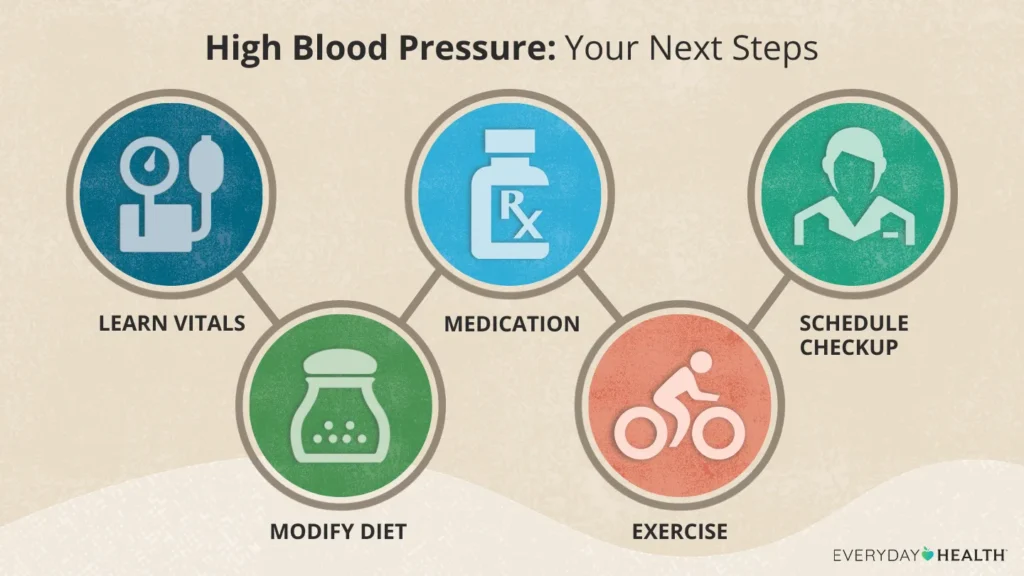
- Lifestyle Modifications: Incorporating a balanced diet, regular physical activity, and stress management can enhance medication efficacy.
- Avoiding Drug Interactions: Informing healthcare providers about all medications, including over-the-counter drugs and supplements, is essential to prevent harmful interactions.
Read More: Forearm Strength: Effective Dumbbell Workouts for Grip
Conclusion
Managing high blood pressure is crucial to prevent serious health complications. Antihypertensive medications play a significant role in controlling blood pressure levels. Understanding the different types of medications, their mechanisms, potential side effects, and the importance of adherence can empower individuals to take control of their health.
Always consult with a healthcare provider to determine the most appropriate treatment plan tailored to individual needs.

FAQs
- What are the most common medications for high blood pressure? Common medications include diuretics, beta-blockers, ACE inhibitors, ARBs, calcium channel blockers, and direct vasodilators.
- Can I take blood pressure medications without a prescription? No, it’s essential to consult a healthcare provider before starting any medication to ensure it’s appropriate for your condition.
- What should I do if I miss a dose of my blood pressure medication? Take the missed dose as soon as you remember, unless it’s almost time for your next dose. Do not double up doses without consulting a healthcare provider.
- Are there any foods or drinks I should avoid while on blood pressure medication? Certain foods and drinks, like grapefruit, can interact with some blood pressure medications. It’s important to discuss dietary restrictions with your healthcare provider.
- Is it enough to take medication alone to control high blood pressure? While medication is crucial, adopting a healthy lifestyle, including a balanced diet and regular exercise, is essential for effective blood pressure management.