
Introduction
Potassium is a vital mineral and electrolyte that helps regulate heartbeat, nerve signals, muscle contractions and fluid balance. Many people don’t consume enough potassium because modern diets lean heavily on processed foods that are high in sodium but low in potassium.
Getting potassium from whole foods — fruits, vegetables, legumes, dairy and some fish — not only supplies potassium but also fiber, vitamins and cofactors important for health. A food-first approach is almost always best: whole foods deliver balanced nutrition and lower risk compared with supplements, which can be unsafe for people with kidney problems or on certain medications.
This article explains which everyday foods pack the most potassium, practical ways to add them to meals, simple cooking tips to preserve nutrients, who should be cautious, and easy meal ideas you can use today. Follow the clear, evidence-minded guidance here to boost potassium safely while improving overall diet quality.
Why potassium matters
Potassium is an essential electrolyte inside cells that works with sodium to maintain fluid balance and transmit electrical signals. It helps muscles contract — including the heart — and influences blood pressure by counteracting sodium’s effects on blood vessels. Diets richer in potassium and lower in sodium are consistently associated with healthier blood pressure and improved cardiovascular outcomes. Potassium also supports nerve function and helps maintain cellular health. Because it’s involved in so many systems, inadequate or excessive potassium can cause noticeable symptoms, from muscle weakness and cramps to abnormal heart rhythms. For most healthy adults, increasing potassium through food is a safe and effective strategy to support long-term heart and metabolic health.
How much potassium do you need?
Individual needs vary, but typical adult targets are often in the low thousands of milligrams per day. Rather than fixating on a single number, use practical food choices: daily servings of vegetables, fruits, legumes, dairy and modest amounts of fish will typically provide the potassium most people need. People with certain medical conditions (notably reduced kidney function) or those taking medicines that affect potassium levels should follow personalized clinical advice. Supplements are rarely required for healthy people eating a varied diet and should only be used under medical supervision.
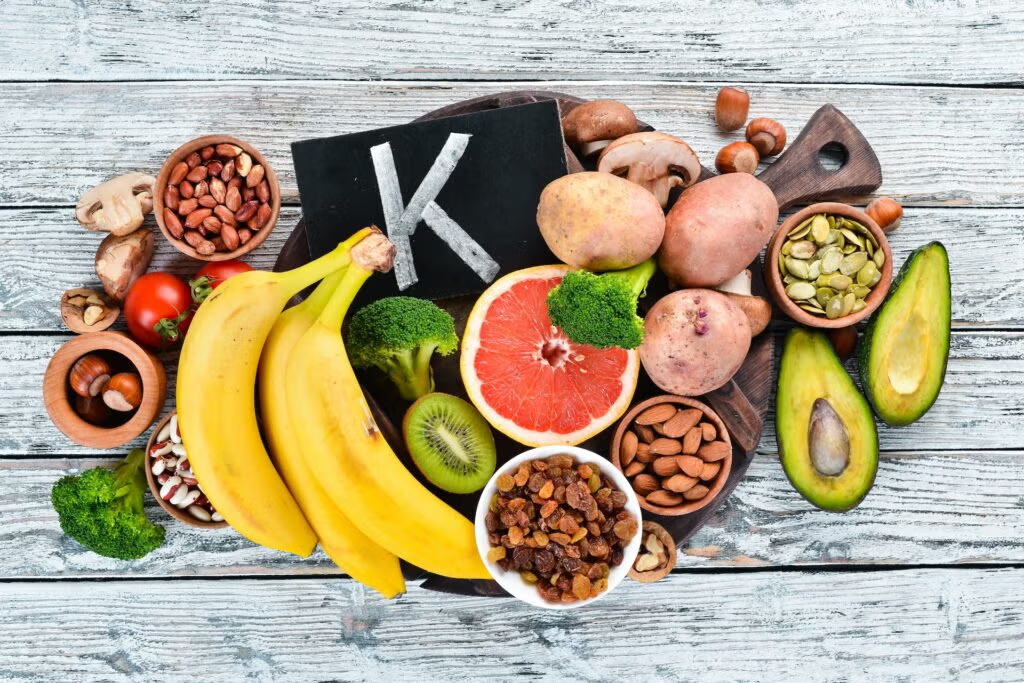
Top potassium-rich foods (food-first list)
Below are high-potassium foods that are easy to add to meals. Portions vary, but these are reliable, everyday choices:
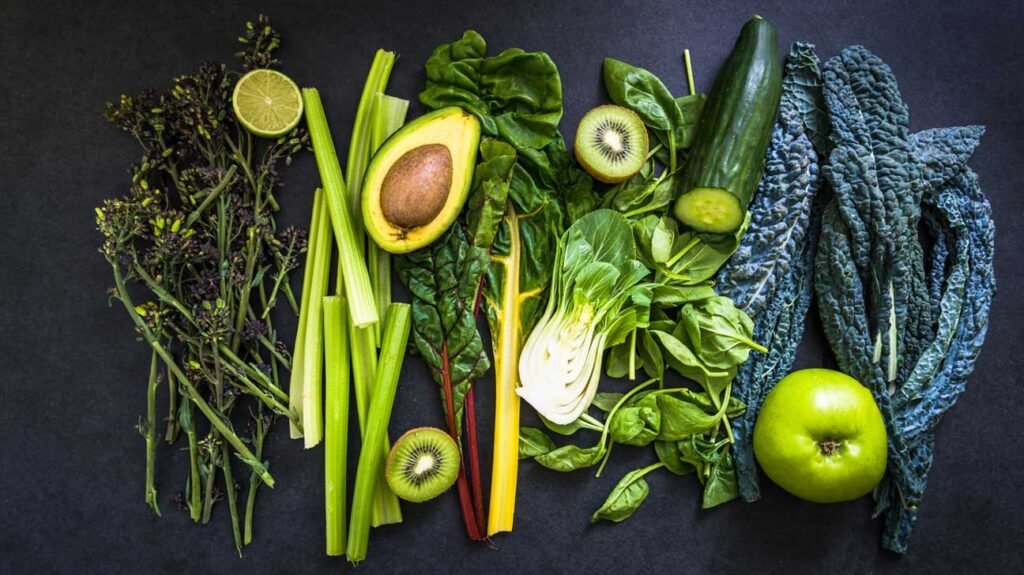
- Leafy greens (cooked): Spinach, Swiss chard and beet greens are surprisingly high in potassium when cooked and concentrated.
- Starchy tubers (with skin): Baked potatoes and sweet potatoes are among the most accessible potassium sources — keep the skin.
- Legumes: White beans, lima beans, lentils and kidney beans are potassium and fiber powerhouses.
- Avocado: A whole avocado or half-avocado adds a substantial potassium boost plus healthy fats.
- Bananas and melons: Easily portable fruits that contribute meaningful potassium per serving.
- Dried fruits: Apricots, prunes and raisins are potassium-dense, but calorie-dense too, so use in moderation.
- Dairy: Milk and yogurt are convenient potassium sources and supply calcium and protein.
- Fish: Salmon and other fatty fish provide potassium plus heart-healthy omega-3 fats.
- Tomato products: Cooked tomatoes, tomato paste and tomato juice are concentrated sources.
- Nuts and seeds: Though less concentrated than fruits and tubers, they add potassium along with healthy fats.
Mixing several of these foods across a day makes it straightforward to meet potassium needs without supplements.
Practical ways to add more potassium (daily swaps & habits)
- Make vegetables the base: Build salads, bowls and stews around leafy greens and cooked vegetables rather than as small sides.
- Swap half the rice or pasta for beans or lentils in grain bowls, soups and casseroles to boost potassium and fiber.
- Choose tubers with their skins on: Roast or bake potatoes and sweet potatoes with skins to retain potassium.
- Add avocado: Half an avocado on toast or in a salad is an easy, tasty potassium injection.
- Snack on yogurt or fruit: A cup of yogurt or a banana + handful of dried apricots fills gaps between meals.
- Use tomato-based sauces: Add tomato paste to soups and stews instead of heavy creams or butter-based sauces.
- Include fish twice weekly: Salmon or other fatty fish contribute potassium plus protein and healthy fats.
- Plan a potassium-friendly plate: Aim for one starchy plant, one legume or fatty plant (like avocado), one cooked green, and a dairy or fermented option across the day.
Cooking and nutrient retention tips
- Avoid discarding cooking liquids when boiling vegetables or legumes — use the liquid in soups or sauces to keep dissolved potassium.
- Prefer roasting, baking or steaming over prolonged boiling if you want to preserve minerals in the food itself.
- Leave skins on tubers and fruits when edible — skins hold minerals and fiber.
- Rinse canned beans to reduce sodium but know that rinsing does not significantly reduce potassium.
- Cook legumes from dried if possible — they provide more control over sodium and texture; either way they remain excellent potassium sources.
Simple, practical meal ideas (examples to try)
- Breakfast: Greek yogurt bowl with banana, chopped dried apricots and a sprinkle of chopped nuts.
- Lunch: Grain/bean bowl with quinoa, roasted sweet potato wedges, a half-avocado, sautéed spinach and a lemon-tahini dressing.
- Snack: Edamame or a small handful of prunes.
- Dinner: Baked salmon with a side of garlic Swiss chard and a baked potato (skin on).
- Swap idea: Replace mayo on sandwiches with mashed avocado and tomato slices for a potassium-rich upgrade.
Who should be cautious?
While dietary potassium benefits most people, certain conditions require caution:
- Chronic kidney disease (CKD): Impaired kidneys may not excrete potassium efficiently, raising the risk of high blood potassium (hyperkalemia).
- Certain medications: ACE inhibitors, ARBs, potassium-sparing diuretics and some other medicines can increase potassium levels.
- Adrenal disorders or severe dehydration: These can disrupt potassium balance.
If you have any of these conditions or take medications that influence potassium, consult your clinician before intentionally increasing potassium or before starting supplements. Clinicians can check blood potassium and recommend safe dietary targets.
Measuring progress and when to check clinically
You won’t normally need routine blood checks if you’re healthy and increasing potassium through foods. If you have risk factors (kidney disease, certain meds), your doctor will advise targeted blood tests and individualized goals. Watch for symptoms of abnormal potassium: unusual muscle weakness, persistent cramps, palpitations or dizziness — these warrant prompt medical evaluation.
Benefits beyond potassium alone
Potassium-rich foods deliver more than the mineral itself. Leafy greens, legumes and fruits also bring fiber, magnesium, potassium cofactors, antioxidants and plant compounds that support cardiovascular and metabolic health. Replacing processed snacks and salty convenience foods with whole potassium-rich foods often lowers sodium intake, another important benefit for blood pressure and heart health.
Quick grocery list (portable guide)
- Fresh: bananas, avocados, spinach, Swiss chard, tomatoes, sweet potatoes, melons.
- Canned/dry: white beans, lentils, low-sodium canned tomatoes, tomato paste.
- Dairy/fish: yogurt, milk, salmon.
- Snacks: dried apricots, prunes, edamame.
FAQs
1. How to get more potassium in my diet every day?
Prioritize whole foods: add a daily serving of cooked leafy greens, a tuber with skin (baked potato or sweet potato), a portion of legumes, and a fruit like banana or melon. Small additions—half an avocado, a cup of yogurt, or a sprinkle of dried fruit—add up over the day.
2. How to increase potassium without supplements?
Use food-first swaps: replace some grains with beans, top cereals with banana and yogurt, include a baked potato or sweet potato in a meal, and snack on dried apricots or edamame. Supplements aren’t necessary for most people and can be risky if you have kidney issues.
3. How to prepare foods to keep their potassium content?
Bake or roast tubers with skins, steam or sauté greens briefly, and when boiling vegetables or legumes, keep and use the cooking liquid (in soups or sauces) so dissolved minerals are conserved.
4. How to know if I’m getting enough potassium?
If you regularly eat multiple servings of fruits, vegetables, legumes and dairy, you’re likely meeting needs. For precise assessment, track portions against nutritional references or ask a dietitian. People with symptoms or medical conditions should have blood tests as advised by their clinician.
5. How to raise potassium but lower sodium?
Swap processed foods for fresh produce and whole foods: fruit instead of chips, baked potato instead of fries, and herbs/spices instead of added salt. Rinse canned beans and choose lower-sodium canned goods to reduce sodium while preserving potassium-rich ingredients.
Read More: Mounjaro Side Effects: What You Need to Know
Conclusion
Boosting potassium through whole foods is a practical, health-forward strategy that supports heart, muscle and nerve function while helping balance modern diets that are often sodium-heavy. Focus on variety: leafy cooked greens, tubers with skins, legumes, avocados, bananas, dairy and fish will collectively meet potassium needs and add fiber, vitamins and healthy fats. Small daily swaps—lentils for part of your rice, avocado instead of mayo, yogurt and fruit for snacks—make a big difference without complicated meal plans.
However, people with kidney disease or those taking potassium-influencing medications must consult their clinician before increasing intake or using supplements. Overall, a food-first approach gives you potassium along with complementary nutrients that improve long-term health outcomes. Use the meal ideas and swaps above to build a potassium-rich pattern that fits your taste and lifestyle — safe, simple, and sustainable.