
Introduction
In today’s fast-paced world, our bodies constantly battle stress, pollution, toxins, and poor lifestyle choices that create harmful molecules called free radicals. To defend itself, the body relies on powerful antioxidants—and one of the most important is glutathione. Often called the “master antioxidant,” glutathione is vital for detoxification, immune strength, cellular repair, and overall health. Unfortunately, its levels naturally decline with age, illness, and stress.
Understanding what glutathione is, how it works, and how to keep its levels optimal can make a major difference in your energy, appearance, and longevity. This article breaks down everything you need to know—from natural ways to boost glutathione to the truth about supplements—based on science, not hype. Whether you want clearer skin, a stronger immune system, or simply more vitality, glutathione could be your body’s hidden secret weapon.
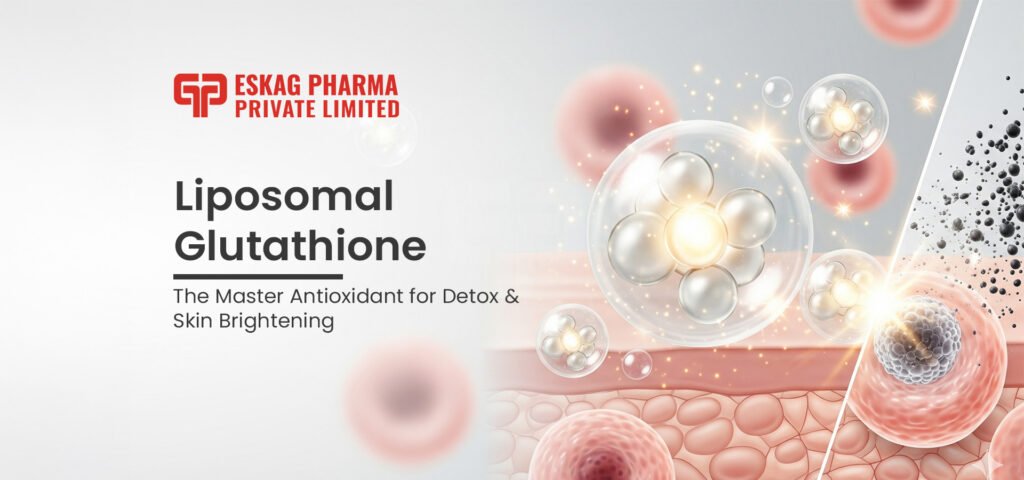
What Is Glutathione?
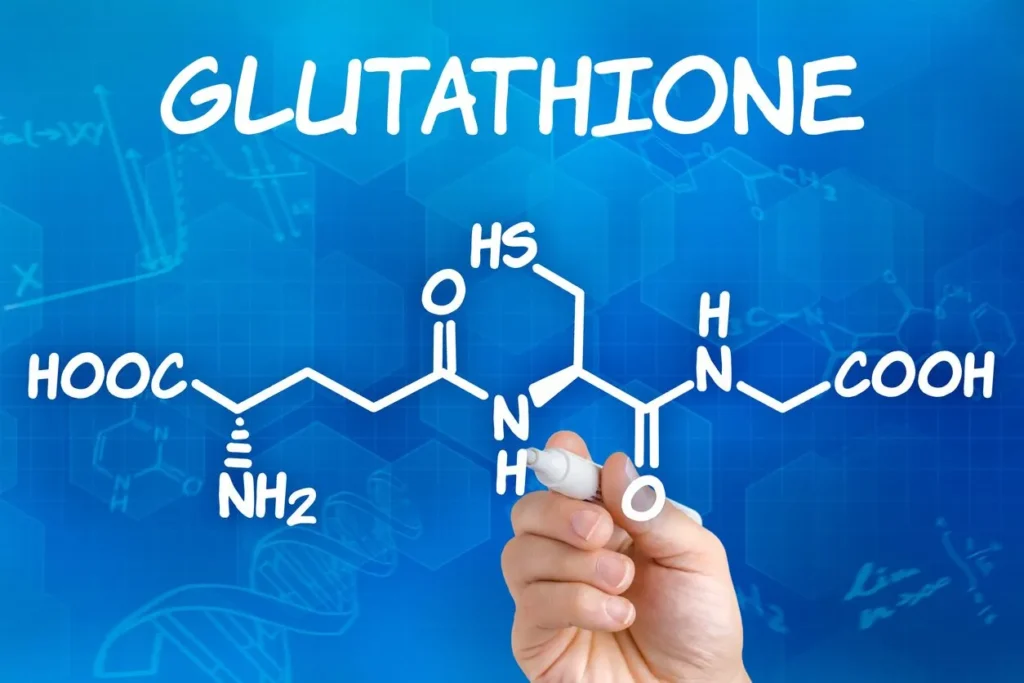
Glutathione is a small molecule made of three amino acids—cysteine, glycine, and glutamic acid—and is produced naturally inside our cells. Despite its simple structure, it performs a massive job: protecting cells from oxidative stress and supporting detoxification.
Glutathione exists in two forms: reduced (GSH) and oxidized (GSSG). The reduced form acts as a powerful antioxidant, neutralizing free radicals before they can damage DNA, proteins, and cell membranes. The body continuously converts oxidized glutathione back into its active form to maintain balance.
Because of this ongoing process, glutathione is sometimes referred to as the body’s “recycling system” for other antioxidants. It even helps regenerate vitamins C and E after they neutralize free radicals, making it a cornerstone of your antioxidant defense network.
Read More: Why Glutathione Is a “Master” Antioxidant
Key Benefits of Glutathione
a. Powerful Antioxidant Defense
Glutathione is the most abundant antioxidant in human cells. It fights free radicals that accelerate aging, damage cells, and increase the risk of chronic diseases. A high glutathione level helps your body stay resilient against daily oxidative stress caused by poor diet, pollution, and emotional tension.
b. Supports Liver Detoxification
Your liver is your body’s main detox organ—and it uses glutathione to neutralize and eliminate toxins. From heavy metals to alcohol and processed food chemicals, glutathione binds harmful compounds and helps flush them from your body through bile or urine. When glutathione levels drop, detoxification slows, allowing toxins to accumulate.
c. Strengthens the Immune System
Glutathione supports white blood cell function, helping your body fight infections effectively. It enhances the activity of natural killer cells and supports balanced immune responses, reducing the risk of chronic inflammation.
d. Promotes Skin Health and Radiance
Glutathione has become famous for its skin-brightening effects. By reducing melanin production and fighting oxidative damage, it can make skin appear clearer and more even. It also protects skin from UV damage and premature aging.
e. Slows the Aging Process
Oxidative stress is one of the main drivers of aging. Glutathione helps repair damaged cells and maintain mitochondrial health—the “powerhouses” that give your cells energy. High glutathione levels are associated with increased vitality and longevity.
f. Supports Brain and Nerve Function
The brain uses a large amount of oxygen, which makes it highly vulnerable to oxidative damage. Glutathione protects brain cells, supports mental clarity, and may help guard against neurodegenerative conditions linked to oxidative stress.
Causes of Low Glutathione Levels
Although our bodies produce glutathione naturally, many factors can deplete it over time. These include:
- Chronic stress and lack of sleep
- Poor diet low in protein or antioxidants
- Exposure to toxins (pollution, alcohol, smoking)
- Infections and chronic inflammation
- Excessive use of certain medications
- Aging (production decreases as we get older)
When glutathione levels drop, the body struggles to detoxify and defend itself from oxidative damage. The result can be fatigue, dull skin, frequent illness, and slower recovery.
Natural Ways to Boost Glutathione Levels
Before reaching for supplements, you can powerfully support your body’s natural glutathione production through lifestyle and diet.
a. Eat Sulfur-Rich Foods
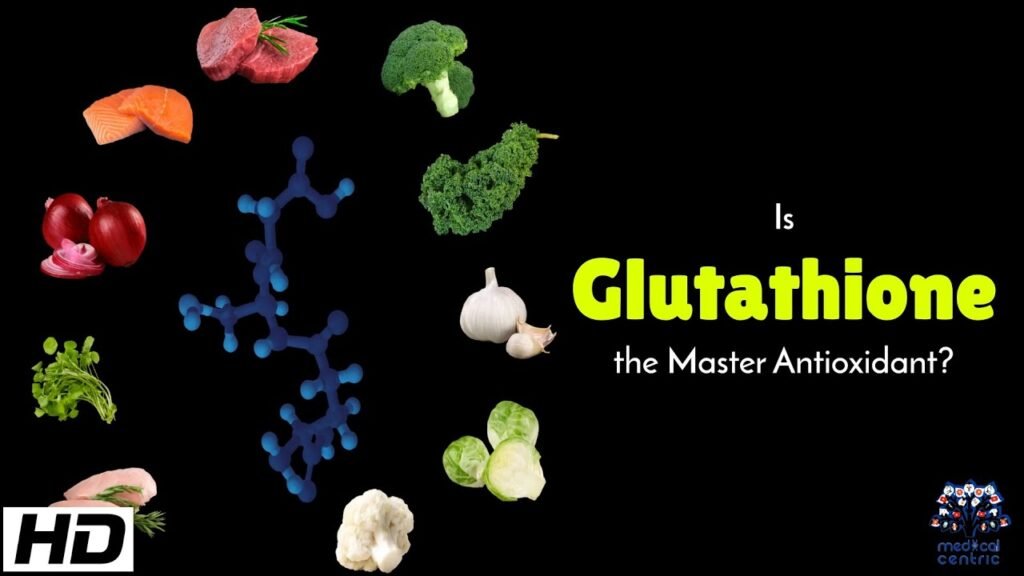
Sulfur is essential for producing cysteine, a key building block of glutathione. Include foods like:
- Garlic
- Onions
- Broccoli
- Cauliflower
- Kale
- Cabbage
b. Include Protein-Rich Foods
Amino acids from quality protein are the raw materials your body uses to make glutathione. Focus on lean meats, fish, eggs, legumes, and nuts.
c. Load Up on Antioxidant Vitamins
Vitamins C and E help regenerate glutathione and prevent it from being depleted too quickly. Eat plenty of fruits like oranges, kiwis, and berries, and healthy fats like avocados and almonds.
d. Add Selenium and Zinc
These trace minerals are crucial cofactors that support glutathione-related enzymes. You can find them in Brazil nuts, seeds, eggs, and seafood.
e. Get Regular Exercise
Moderate physical activity stimulates antioxidant production and enhances detox pathways. However, avoid overtraining, as excessive exercise without recovery can deplete glutathione.
f. Prioritize Sleep and Stress Management
Your body restores antioxidant balance during deep sleep. Chronic stress, on the other hand, consumes glutathione rapidly. Prioritize relaxation, meditation, and consistent rest.
g. Avoid Excess Toxins
Limit alcohol, smoking, and processed foods. Reducing toxin exposure helps your liver maintain healthy glutathione levels naturally.
Glutathione Supplements: Do They Work?
While diet and lifestyle are the best foundation, supplementation can be beneficial when natural production isn’t enough. However, not all glutathione supplements are equal.
Forms of Glutathione
- Oral tablets or capsules: Easy to take but may have lower absorption because digestive enzymes break it down.
- Liposomal glutathione: Encapsulated in fat molecules for better absorption and bioavailability.
- Sublingual (under the tongue): Bypasses digestion and can be absorbed directly into the bloodstream.
- IV (intravenous) injections: Delivers glutathione directly into the bloodstream, used in medical settings.
Typical Dosage
Most people use 250–1000 mg per day orally. The best dose depends on your age, diet, and health goals. Always consult a healthcare professional before starting any supplement.
Possible Side Effects
Glutathione is generally safe at recommended doses. However, some people may experience mild stomach discomfort, bloating, or allergic reactions. Long-term or high-dose use might reduce zinc levels, so balance is key.
Who Might Benefit Most
- People exposed to high pollution or stress
- Those with chronic illness or liver issues
- Older adults seeking antioxidant support
- Individuals with poor diet or low energy levels
Myths vs. Facts About Glutathione
| Myth | Fact |
|---|---|
| Glutathione is just for skin whitening | It supports the entire body, including liver, immune system, and brain health. |
| Supplements work instantly | Benefits build gradually as the body restores antioxidant balance. |
| Only injections are effective | Modern liposomal and sublingual forms can also raise levels efficiently. |
| It replaces a healthy lifestyle | No supplement can substitute a balanced diet and active life. |
| More glutathione is always better | Excessive supplementation may disrupt natural balance. |
Signs You Might Need More Glutathione
You might have low glutathione levels if you experience:
- Constant fatigue or brain fog
- Slow recovery from workouts
- Poor skin tone or dark patches
- Frequent infections
- Sensitivity to chemicals or pollution
- Digestive or liver issues
If these symptoms sound familiar, improving your diet and lifestyle—or talking to a doctor about supplementation—may help restore balance.
Glutathione and Skin Health
Glutathione’s popularity in beauty circles comes from its potential to reduce pigmentation and promote even skin tone. It works by inhibiting melanin production and reducing oxidative damage caused by sunlight.
Regular use—whether through diet or supplementation—can lead to brighter, healthier skin over time. However, results vary between individuals. It’s best seen as a skin-supporting antioxidant, not a quick fix or bleaching agent.
Maintaining Healthy Glutathione for Life
Think of glutathione as a lifelong ally. Supporting it naturally ensures your body stays strong against everyday stress. Here are long-term tips:
- Eat a colorful, antioxidant-rich diet
- Stay hydrated
- Move your body regularly
- Limit processed foods and alcohol
- Sleep 7–8 hours each night
- Practice mindfulness or yoga to lower stress
When combined, these habits can keep your glutathione levels high and your cells youthful.
Read More: Bump on Roof of Mouth: Causes, Treatment, and When to Worry
Conclusion
Glutathione truly earns its title as the master antioxidant. It safeguards your cells, detoxifies harmful compounds, strengthens immunity, and supports radiant skin and lasting vitality. While it’s produced naturally, lifestyle, stress, and aging can all reduce your body’s ability to maintain healthy levels.
The best strategy is to focus first on nutrition and balance: eat sulfur-rich foods, get enough rest, exercise moderately, and avoid toxins. Supplementation can provide extra support when needed, but it works best alongside healthy habits.
By taking care of your body’s glutathione system, you’re investing in stronger immunity, clearer skin, better energy, and graceful aging. In other words—keeping your “master antioxidant” happy helps keep you healthy from the inside out.
FAQs
1. How can I increase glutathione naturally?
Eat sulfur-rich vegetables, get enough protein and vitamin C, exercise moderately, manage stress, and avoid toxins.
2. Is glutathione safe to take daily?
Yes, in moderate doses. However, always consult a healthcare professional if you plan to take supplements long-term.
3. Can glutathione lighten the skin?
It may help brighten skin tone and reduce pigmentation over time, but results vary and it’s not a bleaching agent.
4. What foods are high in glutathione?
Spinach, avocados, asparagus, garlic, and broccoli are among the top natural sources.
5. Who should avoid glutathione supplements?
Pregnant or breastfeeding women, people with asthma, or anyone on medication should speak with a doctor before use.