
Introduction
Eggs are one of the most affordable and complete sources of nutrition found in everyday kitchens. Whether eaten for breakfast, added to salads, or used as a protein-packed snack, boiled eggs are a convenient choice for almost any diet. But a common question people ask is simple: how many calories are in two boiled eggs — and what do those calories mean for your health and goals?
This article answers that question in clear, practical terms. You’ll find accurate calorie counts, a detailed nutritional breakdown, benefits for weight management and muscle gain, the truth about cholesterol, and smart tips for eating eggs safely and effectively. The information below follows expert dietary recommendations and evidence-based data to ensure it’s both trustworthy and easy to understand. By the end, you’ll know exactly how two boiled eggs fit into your lifestyle, whether you’re aiming to lose weight, stay energized, or simply eat smarter.
How Many Calories Are in Two Boiled Eggs?
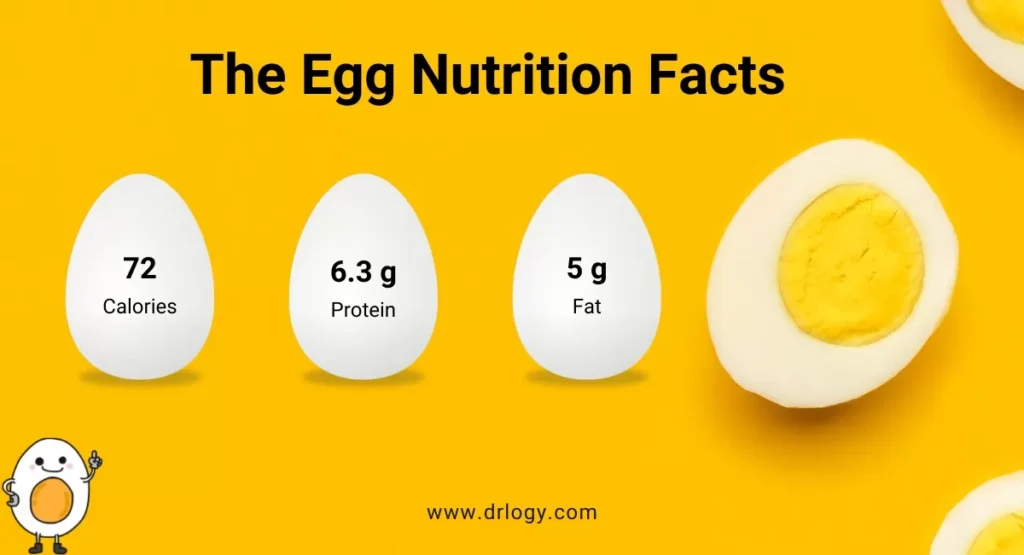
A large boiled egg contains about 78 calories, so two large boiled eggs provide roughly 155–160 calories.
The exact number can vary slightly depending on size:
| Egg Size | Calories per Egg | Calories (2 Eggs) |
|---|---|---|
| Small | 55–60 kcal | 110–120 kcal |
| Medium | 65–70 kcal | 130–140 kcal |
| Large | 77–78 kcal | 154–156 kcal |
| Extra-large | 80–82 kcal | 160–165 kcal |
Boiling doesn’t add any fat or oil, so the calories remain minimal. That’s what makes boiled eggs one of the most efficient, nutrient-dense foods for people who want energy without excess calories.
Macronutrient Breakdown of Two Boiled Eggs
Here’s what those 155 calories contain in terms of macronutrients:
- Protein: 12–13 grams
- Total Fat: 10–11 grams
- Saturated Fat: about 3–3.5 grams
- Carbohydrates: less than 1 gram
- Fiber: 0 grams
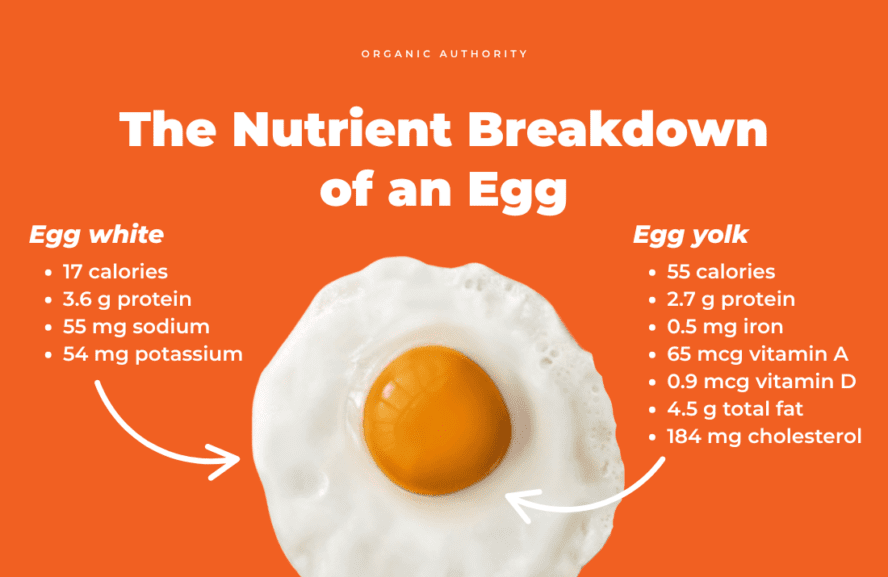
- Cholesterol: approximately 370 mg (mostly in the yolk)
The high protein and moderate fat combination makes boiled eggs extremely satiating. That means they keep you full for longer compared to many carb-based breakfasts like cereal or toast.
Vitamins and Minerals in Two Boiled Eggs
Two boiled eggs aren’t just protein and calories — they’re also rich in essential micronutrients that support overall health:
- Vitamin B12 — crucial for nerve function and red blood cell formation
- Vitamin D — supports bone and immune health
- Vitamin A — promotes good vision and skin health
- Riboflavin (B2) — helps convert food into energy
- Choline — essential for brain development and memory
- Selenium — acts as an antioxidant to protect cells
- Phosphorus and Iron — help with bone strength and oxygen transport
- Lutein and Zeaxanthin — antioxidants that protect the eyes from macular degeneration
Together, these nutrients make boiled eggs a compact “superfood” that provides powerful benefits from just two small portions.

Why Boiled Eggs Are a Smart Calorie Choice
Two boiled eggs offer an almost perfect balance of macronutrients. They are:
- Low in calories – about 155 kcal for two large eggs
- High in protein – over 12 grams of complete protein
- Filling and satisfying – reducing hunger between meals
- Nutrient dense – packed with vitamins, minerals, and antioxidants
When compared to other breakfast foods, boiled eggs give you more nutrition per calorie. For instance, a bagel with cream cheese can exceed 300 calories with much less protein. Boiled eggs provide fuel without the calorie overload.
Eggs and Weight Loss
If you’re trying to lose weight, boiled eggs can be an excellent addition to your plan. The reason is simple — protein controls appetite. Studies show that high-protein meals increase satiety hormones and reduce overall calorie intake throughout the day.
Having two boiled eggs for breakfast (about 155 calories) keeps you full for hours, reducing the temptation to snack or overeat later. They can easily replace higher-calorie breakfast options while still providing energy and focus.
Example weight-loss breakfast:
- 2 boiled eggs
- 1 slice whole-grain toast
- ½ avocado or a handful of spinach
This balanced plate stays under 350 calories but delivers quality nutrients and long-lasting fullness.
Eggs and Muscle Building
Protein is essential for repairing and building muscle. Two boiled eggs supply 12–13 grams of complete protein with all nine essential amino acids your body needs. That’s why athletes and gym-goers often include eggs in their meal plans.
If you’re training for strength or endurance, eggs can be used as a post-workout snack or as part of a high-protein breakfast. Combine them with other lean proteins — like chicken, Greek yogurt, or legumes — to help meet daily muscle-building protein goals.
The Truth About Cholesterol in Eggs
Egg yolks are high in dietary cholesterol, with around 185 mg per large egg. For years, people believed that eating eggs raised blood cholesterol and increased heart disease risk. However, more recent research shows that for most healthy adults, dietary cholesterol has a limited effect on blood cholesterol.
The body adjusts its own cholesterol production when more is consumed through food. For most people, eating one to two eggs a day does not significantly affect heart health.
That said, individuals with certain medical conditions — such as familial hypercholesterolemia, diabetes, or heart disease — should discuss personalized recommendations with a doctor or registered dietitian.
Tip: If you want to reduce cholesterol but keep protein, use one whole egg and one or two extra egg whites. The whites have almost no fat or cholesterol but still provide high-quality protein.
Boiled Eggs vs. Fried or Scrambled Eggs
The calorie count of eggs changes when you add fat during cooking. Here’s a quick comparison:
| Type | Calories per Egg | Calories (2 Eggs) | Notes |
|---|---|---|---|
| Boiled | 78 kcal | 156 kcal | No added fat |
| Poached | 78 kcal | 156 kcal | Similar to boiled |
| Scrambled (with 1 tsp butter) | ~90–100 kcal | ~190–200 kcal | Added fat |
| Fried (in 1 tbsp oil) | 100–120 kcal | 200–240 kcal | Absorbs oil |
If your goal is weight control, boiled or poached eggs are the most calorie-efficient options.

Best Times to Eat Boiled Eggs
There’s no single “best” time to eat eggs, but here are a few ideas based on goals:
- Morning: for energy and fullness throughout the day
- After workout: to help repair muscles
- As a snack: in between meals for protein and satisfaction
- Dinner: paired with vegetables for a light, high-protein meal
Because they’re portable and require no extra prep, boiled eggs make an ideal grab-and-go choice for busy schedules.
Storage and Food Safety Tips
To enjoy boiled eggs safely and at their best quality:
- Boil properly: Simmer eggs for 9–12 minutes for firm yolks.
- Cool quickly: Place in cold water to stop cooking and make peeling easier.
- Store safely: Keep unpeeled boiled eggs in the fridge (in a covered container) for up to 7 days.
- Avoid contamination: Don’t leave boiled eggs at room temperature for more than 2 hours.
- Smell test: Discard eggs with an unpleasant odor or slimy texture.
These steps preserve both safety and flavor.
Health Benefits Beyond Calories
Two boiled eggs offer far more than just calorie control. Regular consumption in moderation supports multiple areas of health:
- Eye Health: Lutein and zeaxanthin protect eyes from UV and age-related damage.
- Brain Function: Choline aids memory and mental performance.
- Bone Strength: Vitamin D and phosphorus support bone health.
- Immune Support: Selenium and protein strengthen immunity.
- Skin and Hair: Vitamins A and B2 promote skin repair and hair growth.
Adding boiled eggs to a balanced diet can enhance both energy and long-term wellness.

Who Should Limit or Monitor Egg Intake
While eggs are generally healthy, certain groups should moderate their consumption:
- People with high LDL cholesterol or heart disease — limit to 4–6 whole eggs per week or as advised.
- Individuals with diabetes — monitor cholesterol intake and maintain balance with high-fiber foods.
- Those with egg allergies — should avoid all forms of eggs completely.
- People watching calorie intake — may choose one whole egg plus additional egg whites.
In most other cases, two boiled eggs per day fit easily into balanced, healthy diets.
Simple Meal Ideas Using Two Boiled Eggs
Here are a few ways to include two boiled eggs in your daily meals:
- Breakfast Bowl: Two boiled eggs + spinach + ½ avocado + black pepper.
- Salad Topper: Chop eggs over mixed greens, cucumber, and light vinaigrette.
- Protein Snack Box: Two eggs + apple slices + a handful of almonds.
- Egg Sandwich: Two sliced eggs + tomato + lettuce on whole-grain bread.
- Quick Dinner: Two boiled eggs + steamed broccoli + brown rice or quinoa.
Each of these ideas provides balanced nutrition without unnecessary calories.
Eggs in Different Diet Plans
- Keto diet: Perfect fit — high in fat and protein, almost zero carbs.
- Low-carb diet: Excellent choice to replace carb-heavy breakfasts.
- Vegetarian diet (ovo-vegetarian): Eggs supply vital nutrients like B12 and protein.
- Intermittent fasting: Two boiled eggs break your fast with high protein and low sugar impact.
- Muscle-gain diet: Adds complete amino acids for muscle recovery and strength building.
Boiled eggs adapt to nearly every popular diet model.

Common Myths About Eggs
Myth 1: Eggs increase heart disease risk.
Modern studies show moderate egg consumption (1–2 per day) is safe for most healthy adults.
Myth 2: Egg whites are healthier than whole eggs.
Egg whites have protein but no vitamins or healthy fats found in the yolk. Both parts have value.
Myth 3: Brown eggs are more nutritious than white eggs.
Shell color doesn’t affect nutrition — it only depends on the chicken breed.
Myth 4: You shouldn’t eat eggs every day.
Daily consumption in moderation is fine for most people following a balanced diet.
FAQs
1. How many calories are in two boiled eggs?
Two large boiled eggs contain about 155 calories in total. The count may vary slightly with egg size.
2. Are two boiled eggs good for weight loss?
Yes. They are low in calories, high in protein, and help control hunger, making them a great weight-loss food.
3. Does boiling eggs change their calories?
No. Boiling doesn’t add calories because it requires no oil or butter. It simply cooks the egg with heat and water.
4. How much protein is in two boiled eggs?
Two large boiled eggs contain around 12–13 grams of high-quality protein, enough to support muscle maintenance.
5. Is it safe to eat two boiled eggs every day?
For most people, yes. Eating two eggs daily fits within healthy dietary guidelines when part of a balanced diet.
Read More: The Health Benefits of Mint: Uses, Science and Precautions
Conclusion
Two boiled eggs deliver an impressive balance of nutrition in just about 155 calories. They’re rich in complete protein, healthy fats, and essential vitamins like B12, D, and choline — all in a compact, affordable, and convenient form. For weight loss, they provide filling power without adding excessive calories. For muscle building, they supply high-quality protein. And for general wellness, they offer nutrients that support eyes, brain, bones, and immunity.
Modern research confirms that moderate egg intake is safe for most people, and that cholesterol from eggs has less impact on heart health than once believed. The key is balance: include eggs as part of a varied diet with fruits, vegetables, and whole grains. Whether you eat them at breakfast, lunch, or dinner, two boiled eggs are one of the simplest and most efficient ways to nourish your body every day.