
Introduction
Mint (genus Mentha) is a fragrant herb used for centuries in kitchens, traditional medicine and modern wellness products. Thanks to its cooling compound menthol and an array of other bio-active molecules, mint offers more than just a refreshing flavour. It can aid digestion, freshen breath, soothe certain discomforts, and may support overall wellness. In this article you’ll find a detailed, user-friendly guide to the properties of mint: what key compounds it contains, what health benefits are supported by research, how to use it safely and what precautions to mind.
Whether you’re drinking mint tea, using essential oil topically, or simply including fresh leaves in meals, this overview will help you understand the evidence, make informed choices and get more from this humble herb.
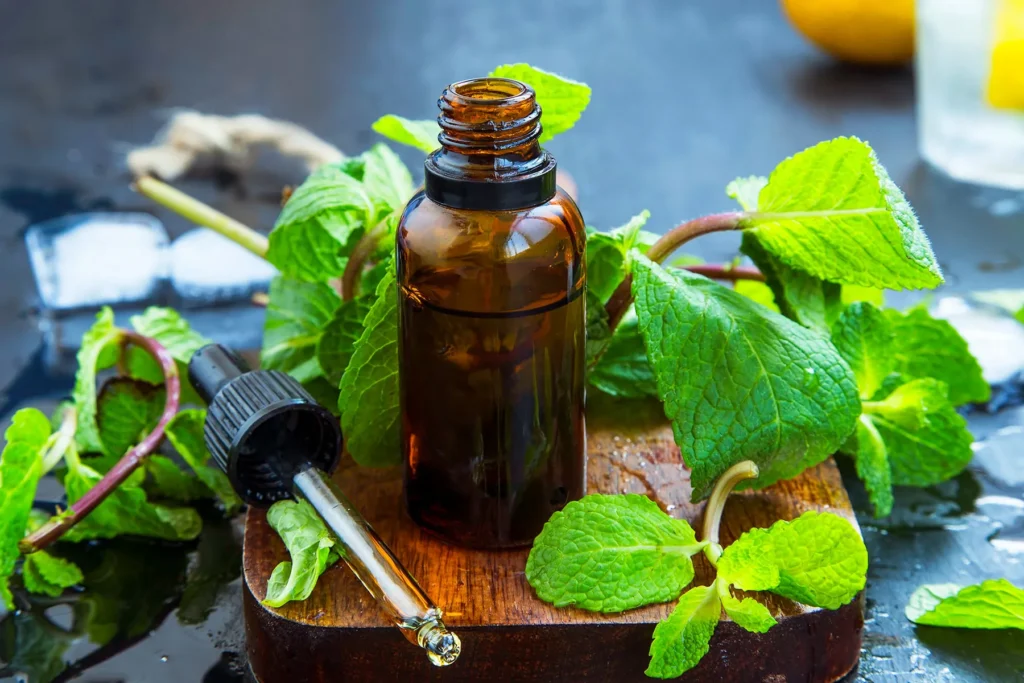
What compounds are in mint and how do they work?
Mint contains a variety of phytochemicals—including menthol, menthone, isomenthone, 1,8-cineole and other monoterpenes and flavonoids. These compounds give mint its aroma, flavour and biological activity. For example:
- Menthol interacts with cold-sensing receptors (TRPM8) causing a cooling sensation and may influence nerve-signalling.
- Flavonoids and phenolic acids (found in leaves) provide antioxidant effects and may modulate inflammation, microbial growth and cellular stress.
- The essential oil fraction of mint has shown antimicrobial, antispasmodic (muscle-relaxing) and mild analgesic (pain-modulating) actions.
Together, this chemical complexity is the basis for the range of traditional and modern uses of mint. Research shows mint species may offer antimicrobial, gastrointestinal, nervous-system and antioxidant benefits.
Read More: Health Benefits of Mint Leaves
Main benefits of mint backed by research
1. Digestive health support
Mint, especially in the form of peppermint oil capsules, has been studied for irritable bowel syndrome (IBS) and related conditions. The menthol-rich oil appears to relax the smooth muscle in the gut and reduce spasms, gas and bloating. Some reviews show modest benefit compared with placebo. Also, mint may help indigestion by speeding gastric emptying in certain contexts.
2. Antimicrobial and antioxidant effects
Laboratory studies indicate mint extracts can inhibit growth of bacteria and fungi, and reduce oxidative stress thanks to flavonoids and phenolic compounds. While most work is in vitro or animal-based, the findings suggest mint could slow down some harmful processes in the body.
3. Cognitive, respiratory and mood effects
There is emerging evidence that inhaling mint aroma or using its essential oil may increase alertness, reduce fatigue or improve sensation of nasal airflow (though not necessarily actual airflow). Some small studies suggest mint might support exercise performance, respiratory sensation or cognitive tests, but the evidence is preliminary.
4. Topical uses and comfort support
Mint oil applied topically (properly diluted) has been used for tension-type headaches, muscle discomfort and nipple pain in breastfeeding mothers. Its cooling and analgesic actions are part of this effect.
5. Nutrition and general wellness
Fresh mint leaves contribute small amounts of nutrients (such as vitamin A, iron, manganese, folate) and are rich in antioxidant phytochemicals. Even when used in small amounts, their flavour may help people reduce salt or sugar in recipes, supporting healthier eating patterns.
How to use mint safely and effectively
- Tea or infusion: Use 1 teaspoon of dried mint leaves (or a small handful of fresh leaves) in a cup of hot water; steep 5-10 minutes, cover, and drink. Good for mild digestive discomfort or as a soothing drink.
- Capsules or enteric-coated oil: For digestive conditions (e.g., IBS) many studies use enteric-coated peppermint oil capsules so that the oil is released in the intestines rather than early in the stomach. Follow manufacturer instructions and consult a healthcare professional.
- Essential oil (topical or inhalation): If using mint essential oil, always dilute in a carrier oil (e.g., 2-3 drops of mint oil in 10 ml of almond or jojoba oil) for skin massage (temples for headache, chest for congestion). For inhalation, add a few drops in a diffuser or bowl of hot water. Do not ingest pure essential oil.
- Culinary use: Add chopped fresh mint leaves to salads, water, yogurt, smoothies, cooked dishes or sauces. Use dried mint for longer-cooked preparations. This is a safe, everyday way to gain flavour and some phytochemicals.
- Brewing and flavouring water: Adding mint to drinking water makes it more appealing, which may help hydration—and the aroma and taste add enjoyment.
Evidence caveats and limitations
- Many of the stronger benefits (e.g., for IBS, cognition, antimicrobial) come from studies of mint oil or extracts rather than simply eating leaves. Results from fresh/dried leaf use are less robust.
- The dose, form (oil vs leaf), delivery method (capsule vs tea vs topical) and study quality vary widely. Large, high-quality human trials are still needed for many claims.
- Some benefits are perceived (for example relief of nasal congestion) rather than objectively measured.
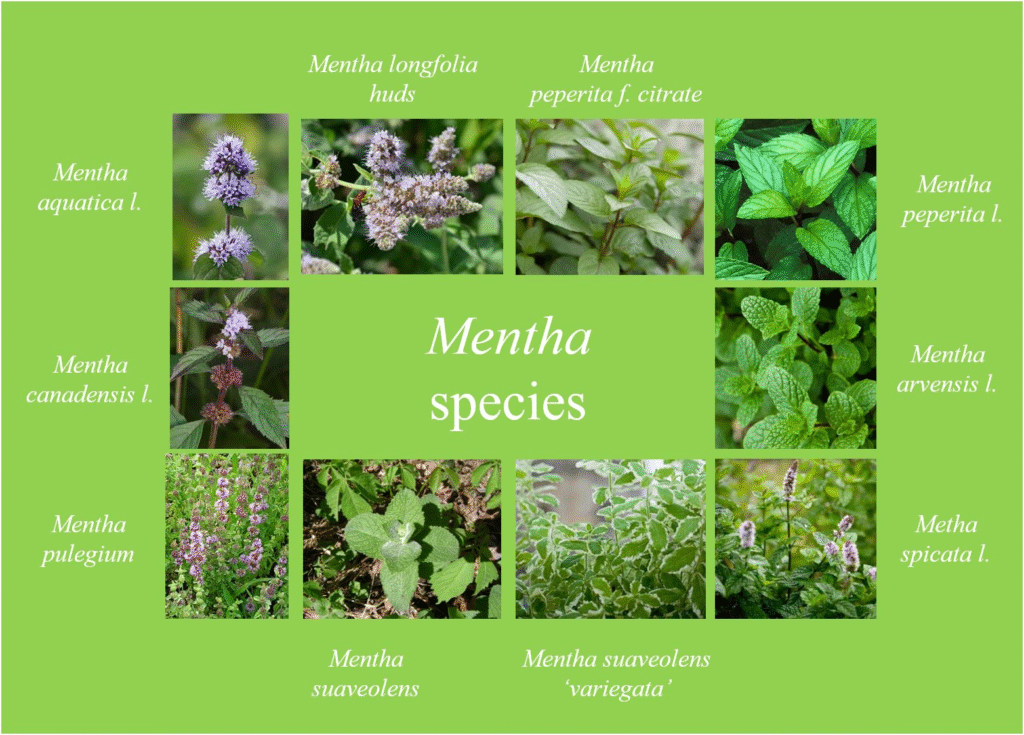
- The effects may differ between mint species (peppermint, spearmint, wild mint etc) because composition varies.
- Mint is not a substitute for medical care where serious conditions exist—it may support wellness but it is not a cure-all.
Precautions and who should be cautious
- People with gastro-oesophageal reflux disease (GERD) or hiatal hernia should be cautious: mint (particularly peppermint oil) may relax the lower oesophageal sphincter and worsen reflux symptoms.
- Avoid using undiluted essential oil on skin or ingesting essential oil without guidance.
- Pregnant or breastfeeding women should consult a healthcare provider before using concentrated mint products or oils. Although culinary use is generally safe, therapeutic doses may carry more risk.
- Individuals with mint allergy, asthma or sensitivity to menthol/aromatherapy should avoid or test carefully.
- High doses of mint oil have been associated in rare cases with organ toxicity (kidney, liver), though these are extreme situations. Use caution and follow recommended guidelines.
- If taking medications, especially those that interact with liver enzymes, digestion or the nervous system, check with a healthcare professional.
Practical tips and recipe ideas
- After dinner, drink a warm cup of mint tea to help digestion and wind down.
- For a fresh flavour in water: muddle a few mint leaves, add a slice of lemon and cold water—refreshing and low calorie.
- For a quick fresh-breath boost: chew a fresh mint leaf or include mint leaves when making homemade gum/honey drops.
- For tension headaches: mix a few drops of diluted peppermint oil onto your temples (test patch on skin first) and apply gently; the cooling effect may help ease discomfort.
- For cooking: toss fresh mint into yogurt dressing, tabbouleh, lamb dishes, mint-pea soup or frozen mint-yogurt popsicles. Use dried mint in baked beans, stews or lentil dishes where fresh leaves might wilt.
Summary
Mint is more than a garnish—it is an herb with a rich chemical profile and a variety of potential health benefits. From supporting digestion to offering soothing topical effects and freshening breath, mint is versatile and largely safe when used properly. The strongest evidence supports digestive-system uses (particularly for IBS). Other uses such as cognitive support, antimicrobial effects and respiratory relief are promising but less conclusive.
As always with plants and herbal use, form, dose and individual tolerance matter. Integrating mint into your diet through fresh leaves, teas or modest-dose capsules is a sensible, low-risk step toward benefiting from nature’s flavours and phytochemicals—while remaining realistic about what it can (and cannot) do.
FAQs
- What are the main health benefits of mint?
Mint is known for its antispasmodic (muscle-relaxing) effect in the gut, soothing indigestion and IBS symptoms; it has antimicrobial, antioxidant and mild analgesic properties; it can support fresh breath and add flavour to healthy recipes. - Can mint help with irritable bowel syndrome (IBS)?
Yes—studies indicate that entering-coated peppermint oil capsules may reduce pain, gas and bloating in IBS compared with placebo. However, the effect size varies and not all studies show a strong difference. - Is drinking mint tea every day safe?
For most healthy adults, yes—drinking mint tea is a reasonable everyday practice. It gives flavour, hydration and some phytochemicals. However, if you have reflux/GERD, allergies or are taking certain medications you should check with your healthcare provider. - Can I use mint oil on my skin for headaches?
You can—but only if it is properly diluted in a carrier oil. Direct application of undiluted essential oil may irritate skin or mucous membranes. Test a small skin area first and avoid eyes and sensitive areas. - Does fresh mint have the same benefits as mint oil or capsules?
Not exactly. Many of the clinical studies have used oils or extracts (higher concentrations) rather than simple fresh leaves. Fresh mint still offers benefits (flavour, minor nutrients, antioxidants) and is great in diet—but don’t assume the same therapeutic effect as concentrated forms.
Read More: Effective Home Remedies to Get Rid of Phlegm in Adults
Conclusion
Mint stands as one of nature’s most versatile and scientifically respected herbs. Beyond its unmistakable aroma and refreshing taste, it offers a diverse range of biological effects—from easing digestive discomfort to gently supporting mental clarity and respiratory comfort. Scientific studies increasingly support what traditional healers have known for centuries: mint’s essential oils, primarily menthol and menthone, interact with the body in meaningful ways—calming the gut, relaxing smooth muscles, and providing a cooling sensation that can relieve minor pain or tension.
However, like all natural remedies, mint works best when used thoughtfully. The strongest and most consistent evidence lies in its role for functional digestive disorders such as IBS, where enteric-coated peppermint oil capsules have demonstrated measurable benefits in well-designed trials. For other uses, such as cognitive enhancement, headache relief or antimicrobial support, the science remains promising but still developing. Integrating mint into a balanced lifestyle—through teas, fresh leaves, topical applications, or aromatherapy—can complement a healthy routine, but it should not replace medical care when needed.
Safety is equally important. While culinary and tea uses are generally safe for most adults, concentrated oils require respect and proper dilution. People with reflux, allergies, or certain medical conditions should use caution, and anyone considering high-dose supplementation should consult a qualified health professional.