
Introduction
Phlegm buildup is one of the most common and uncomfortable symptoms during a cold, flu, or respiratory infection. This thick mucus in the throat or chest can cause persistent coughing, hoarseness, and that constant need to clear your throat. Although phlegm plays a protective role—trapping germs and irritants—its excess can interfere with breathing and cause discomfort.
Before resorting to medications, many people prefer simple, safe home remedies to loosen and eliminate phlegm naturally. These methods help the body clear mucus, soothe irritation, and speed up recovery. In this article, you’ll learn what causes phlegm, how to relieve it with effective natural treatments, which foods to eat (and avoid), and when it’s time to see a doctor. This complete guide, based on medical and practical evidence, will help you breathe freely again and restore your comfort quickly.

What Is Phlegm and Why Does It Form?
Phlegm is a type of mucus produced in the lower airways—the bronchi and lungs. It acts as a defense mechanism against infections, allergens, and irritants such as dust or smoke. When your body detects an invader (like a virus or bacteria), it produces extra mucus to trap and remove those particles through coughing.
However, when phlegm becomes too thick or excessive, it’s harder to expel. Common causes include:
- Respiratory infections (cold, flu, bronchitis).
- Allergies or sinus inflammation.
- Smoking or exposure to air pollution.
- Dehydration or dry indoor air.
The color of your phlegm may also give clues:
- Clear: Usually allergy or mild irritation.
- Yellow/green: Possible infection or inflammation.
- Bloody or rust-colored: Needs immediate medical attention.
Read More: Tips, Meds, and Home Remedies to Get Rid of Phlegm
General Tips Before Trying Home Remedies
- Avoid smoking and exposure to secondhand smoke.
- Stay hydrated — dehydration thickens mucus.
- Don’t self-medicate with antibiotics unless prescribed.
- If phlegm persists for more than 3 weeks, see a doctor.
- Home remedies are for relief and prevention, not replacements for medical care.

1. Stay Hydrated — The Foundation for Clearing Phlegm
Drinking enough fluids is the simplest and most effective way to thin mucus. Proper hydration keeps the mucous membranes moist, making phlegm easier to cough up.
How to do it:
- Drink at least 8 glasses of water a day.
- Include herbal teas, soups, or broths to add warmth and moisture.
- Avoid alcohol and excessive caffeine, which can dehydrate you.
Hydration also supports your immune system, helping you recover faster.
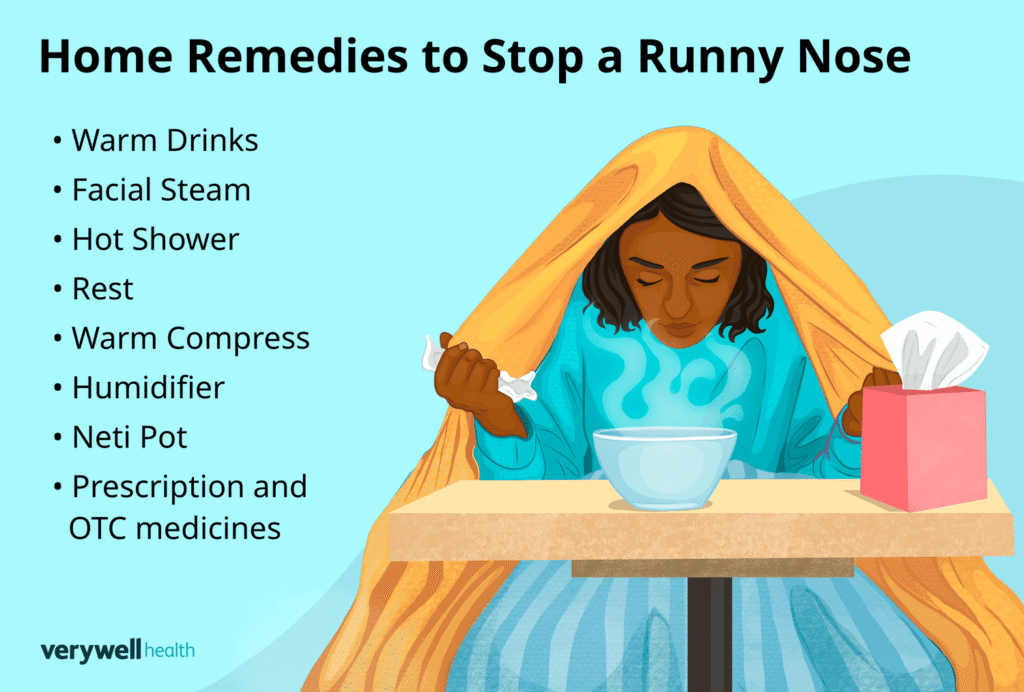
2. Inhale Steam or Take a Hot Shower
Steam helps loosen sticky phlegm and open up congested airways. It moistens the nasal and throat passages, providing quick relief.
Method:
- Take a hot shower for 10–15 minutes and inhale deeply.
- Or, fill a bowl with hot water, place a towel over your head, and inhale the steam for 5–10 minutes.
- Repeat 2–3 times daily.
Tip: Add a few drops of eucalyptus or peppermint essential oil for extra decongestant effects—but avoid direct skin contact and keep a safe distance from boiling water.
3. Gargle with Warm Salt Water
A time-tested remedy for throat mucus, saltwater gargles help reduce inflammation and loosen phlegm stuck in the back of the throat.
How to prepare:
- Mix ½ teaspoon of salt into 1 cup (250 ml) of warm water.
- Gargle for 30–60 seconds and spit it out.
- Repeat several times a day, especially after coughing or meals.
4. Honey and Lemon — A Soothing Duo
Honey has natural antibacterial and soothing properties, while lemon provides vitamin C and helps thin mucus.
How to prepare:
- Warm a cup of water.
- Add the juice of half a lemon and one teaspoon of honey.
- Stir and sip slowly, 2–3 times a day.
Caution: Do not give honey to infants under 1 year due to botulism risk.
5. Ginger Tea
Ginger acts as a natural anti-inflammatory and expectorant, helping reduce mucus production and irritation.
Preparation:
- Boil 3–4 slices of fresh ginger in a cup of water for 10 minutes.
- Add honey or lemon for taste.
- Drink warm, twice daily.
Ginger can also help relieve coughing fits caused by phlegm buildup.

6. Nasal Irrigation with Saline Solution
If your phlegm originates from postnasal drip (mucus flowing from the nose to the throat), saline rinses are highly effective. They clear nasal passages and reduce congestion.
How to use:
- Use a saline spray, squeeze bottle, or neti pot.
- Always use sterile or boiled-and-cooled water.
- Tilt your head sideways and gently pour the solution into one nostril; let it drain through the other.
- Perform once or twice a day as needed.
Regular nasal irrigation also helps prevent sinus infections.
7. Eucalyptus or Menthol Steam
Eucalyptus and menthol contain compounds that open airways and soothe inflammation.
How to use:
- Add 3–4 drops of eucalyptus essential oil to hot water and inhale the steam.
- Or apply a mentholated chest rub to the chest and upper back.
Caution: Avoid essential oils if you have asthma or allergies, and never apply them undiluted to the skin.
8. Gentle Chest and Back Massage
A light massage with circular motions on the chest and gentle tapping on the back can help mobilize mucus and improve airflow.
How to do it:
- Warm a small amount of oil (coconut or diluted eucalyptus oil).
- Massage the upper chest in circular movements, then lightly tap the back near the shoulder blades.
- Repeat twice daily.
This technique, similar to postural drainage, is often used in respiratory therapy to loosen mucus.
9. Foods That Help Reduce Phlegm
Your diet has a major impact on mucus production. Some foods support mucus clearance, while others can worsen it.
Eat more of:
- Warm soups and broths (chicken or vegetable).
- Citrus fruits, kiwi, and papaya (rich in vitamin C).
- Garlic, onion, ginger, and turmeric (anti-inflammatory).
- Honey, herbal teas, and coconut water.
Avoid or limit:
- Greasy, fried, or heavily processed foods.
- Excess sugar and refined carbs.
- Alcohol and caffeine.
- Dairy products, only if you notice they make your phlegm thicker.
10. Sleep with Your Head Elevated
Sleeping with your head slightly raised prevents mucus from pooling in your throat at night. Use an extra pillow or elevate the head of your bed a few inches. This helps you breathe easier and cough less while sleeping.
11. Breathing Exercises and Controlled Coughing
Simple breathing techniques can help clear phlegm naturally.
Try this:
- Inhale deeply through your nose.
- Hold for 2–3 seconds.
- Cough forcefully two or three times to expel mucus.
- Rest and repeat as needed.
This “controlled cough” method clears the lungs without straining your throat.
When to See a Doctor
While home remedies usually help, you should seek medical care if you experience:
- Fever over 101 °F (38.5 °C) lasting several days.
- Shortness of breath or wheezing.
- Chest pain when breathing or coughing.
- Blood in your phlegm.
- Phlegm lasting more than 3 weeks.
- Chronic lung conditions (asthma, COPD) that worsen suddenly.
Persistent phlegm could indicate bronchitis, pneumonia, or another respiratory infection requiring specific treatment.

Common Myths and Facts About Phlegm
❌ Myth: Dairy products always increase mucus.
✅ Fact: There’s no strong evidence of this; only some people notice thicker mucus after consuming dairy.
❌ Myth: Green phlegm always means bacterial infection.
✅ Fact: It can also appear during viral infections or inflammation.
❌ Myth: Suppressing a cough helps you recover faster.
✅ Fact: Coughing is your body’s way to clear mucus; it should only be controlled if it prevents rest or breathing comfortably.
Prevention and Long-Term Habits
- Quit smoking and avoid polluted environments.
- Eat a balanced diet rich in vitamins and antioxidants.
- Stay hydrated throughout the day.
- Use a humidifier in dry rooms to keep airways moist.
- Wash your hands regularly to prevent infections.
- Manage allergies with proper medication.
- Get vaccinated against the flu as recommended.
Adopting these habits can prevent frequent phlegm buildup and keep your respiratory system healthy year-round.
Read More: Tiny Bumps on Lips: Causes, Treatment & Prevention
Conclusion
Phlegm buildup is uncomfortable but usually harmless. Fortunately, it can be managed effectively with simple home remedies like staying hydrated, inhaling steam, gargling salt water, drinking honey-lemon tea, and using saline nasal rinses. These methods thin the mucus, soothe irritation, and help clear your airways naturally.
However, if phlegm persists, becomes bloody, or is accompanied by fever or difficulty breathing, consult a doctor promptly to rule out serious infections. Combining home care with healthy habits—like quitting smoking, eating well, and keeping the air humid—will greatly reduce future mucus problems. With consistent care, you can breathe more freely and keep your lungs clear and strong.
FAQs
1. How can I get rid of phlegm fast?
Drink plenty of warm fluids, inhale steam, and gargle salt water. Honey and lemon tea also helps loosen mucus quickly.
2. What can I drink to dissolve phlegm?
Warm water, ginger or chamomile tea, clear broths, and honey-lemon drinks thin mucus and soothe the throat.
3. Do home remedies really work for phlegm?
Yes. Proper hydration, steam inhalation, nasal rinses, and herbal teas have proven benefits in relieving congestion and mucus buildup.
4. When should I worry about phlegm?
If it lasts longer than 3 weeks, contains blood, or comes with high fever, shortness of breath, or chest pain, see a doctor immediately.
5. What foods make phlegm worse?
Greasy, fried, sugary, and processed foods can thicken mucus. Avoid alcohol and limit dairy if you notice it increases your congestion.