
Introduction
Noticing tiny bumps on your lips can be alarming. Because the lips are so visible and sensitive, even small changes draw attention. Most tiny bumps are harmless, but some may signal infections or allergies that need attention. Understanding what these bumps mean helps you take the right steps — whether that’s simple home care or seeing a doctor.
Common causes include Fordyce spots, cold sores, mucoceles, milia, acne, and allergic reactions. Some bumps are painless and purely cosmetic, while others may hurt, tingle, or swell. The good news is that many lip bumps heal quickly with proper care and hygiene. In this guide, we’ll explore what causes tiny bumps on the lips, how to recognize each type, effective home and medical treatments, and how to prevent them from coming back. You’ll also find answers to the most searched “People Also Ask” questions for complete clarity.
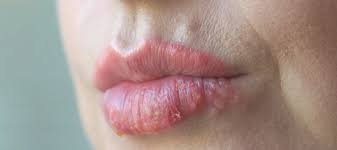
What Are Tiny Bumps on Lips?
Tiny bumps on the lips are small raised spots that can appear on the lip surface, border, or inner lining. They vary in color, size, and texture. Some are white or yellow, while others may look red or clear. Depending on the cause, bumps might be smooth, fluid-filled, firm, or tender to touch.
These bumps are rarely serious, but identifying the cause is key to choosing the right care. Below are the most common causes — from harmless natural glands to infections and allergies.
Read More: Bumps on Lips
Common Causes of Tiny Bumps on Lips
1. Fordyce Spots
Fordyce spots are tiny, pale yellow or white dots that appear on the inner lips or along the lip line. They’re simply visible oil glands and are not contagious or dangerous.
Key signs: Painless, non-itchy, often appear in clusters.
Treatment: Usually none is needed. For cosmetic concerns, dermatologists may suggest laser therapy or topical retinoids.
2. Cold Sores (Herpes Simplex Virus)
Cold sores are caused by the herpes simplex virus type 1 (HSV-1). They begin as small, painful blisters that eventually crust over.
Key signs: Burning or tingling before blisters form, pain, and recurrence in the same spot.
Treatment: Apply cold compresses for comfort. Prescription antivirals like acyclovir or valacyclovir can speed healing if taken early. Avoid touching or kissing others while sores are active, as HSV-1 is contagious.
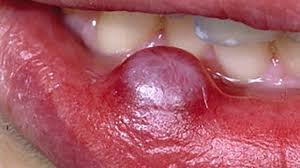
3. Mucoceles
Mucoceles are soft, bluish or clear lumps that form when a minor salivary gland becomes blocked, often after lip-biting or injury.
Key signs: Smooth, dome-shaped swelling inside the lip; usually painless.
Treatment: Small mucoceles may heal on their own. Persistent ones might need drainage or minor surgical removal by a dentist or oral surgeon.
4. Milia
Milia are tiny, white cysts caused by trapped keratin (a skin protein). They’re more common on the face but can appear near the lips.
Key signs: Hard, pearly-white bumps; not red or painful.
Treatment: Gentle exfoliation may help over time. Dermatologists can extract milia safely if they persist.
5. Acne or Pimples Near the Lips
Acne or clogged pores can appear near the lip line, especially where skin meets the lip border.
Key signs: Red, inflamed bumps that may have a white tip.
Treatment: Keep the area clean, use mild cleansers, and apply a tiny amount of acne medication like benzoyl peroxide or salicylic acid — carefully avoiding the lip itself.
6. Allergic or Contact Reactions
Allergies to lip balm, lipstick, toothpaste, or certain foods can cause small bumps, itching, and swelling.
Key signs: Sudden onset, itching, redness, sometimes dryness or peeling.
Treatment: Stop using suspected products, apply a cold compress, and use a mild fragrance-free lip moisturizer. If swelling or rash persists, see a dermatologist for patch testing.
7. Other Possible Causes
- Canker sores: Painful white ulcers inside the lips; often triggered by stress or injury.
- Oral thrush: White patches caused by yeast (Candida); may occur with antibiotic use or weak immunity.
- Warts: Small rough growths from HPV infection.
- Venous lakes: Dark blue or purple spots common in older adults due to dilated blood vessels.
- Oral cancer (rare): Persistent, non-healing lumps or ulcers that may bleed or grow — always get checked if lasting over three weeks.
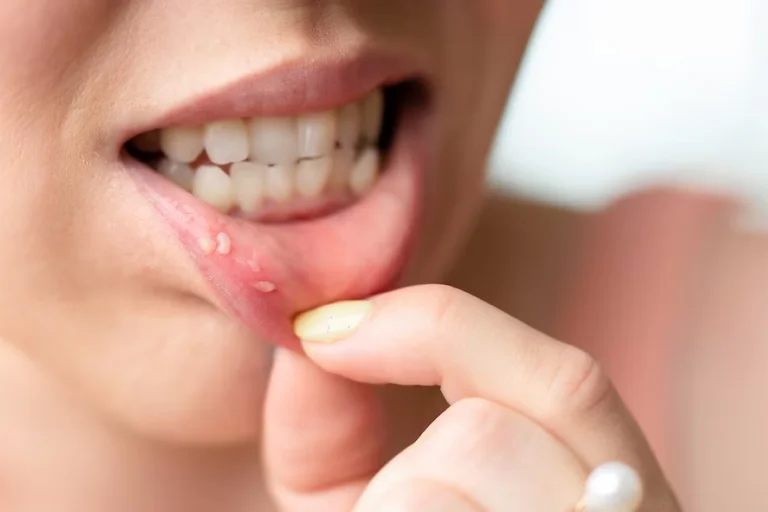
How to Identify the Cause
You can often narrow down the cause of lip bumps by looking at a few key details:
| Feature | Likely Cause |
|---|---|
| Painless, yellow-white dots | Fordyce spots |
| Painful fluid-filled blisters | Cold sores (HSV-1) |
| Bluish, soft lump inside lip | Mucocele |
| Small, hard, white cysts | Milia |
| Red, inflamed bump | Acne or pimple |
| Itchy, swollen rash | Allergy or irritation |
| Non-healing or growing bump | See doctor (rule out cancer) |
If you’re unsure, or if the bump changes in size, color, or sensation, consult a healthcare professional for proper diagnosis.
Home Remedies and First Aid Tips
1. Keep Hands Off
Avoid squeezing, scratching, or popping bumps — this can lead to infection and scarring.
2. Cold Compress
Apply an ice pack wrapped in a cloth for 5–10 minutes to reduce swelling, pain, and redness.
3. Simple Lip Hygiene
Clean lips gently with lukewarm water and a mild cleanser. Avoid harsh scrubs, spicy foods, and flavored toothpaste while bumps heal.
4. Moisturize Smartly
Use plain, fragrance-free lip balm or petroleum jelly to prevent dryness and cracking.
5. Avoid Triggers
If you know certain foods, lip products, or stress trigger your bumps, take preventive measures — like using hypoallergenic products and managing stress.
6. Over-the-Counter Treatments
For cold sores, use docosanol cream at the first sign of tingling. For acne near lips, a dab of mild acne treatment may help. For irritation, an unscented moisturizer or mild hydrocortisone cream (if advised by your doctor) can calm inflammation.
When to See a Doctor
Seek medical care if:
- The bump lasts more than 2–3 weeks.
- It becomes painful, grows, or changes color.
- You have fever, spreading redness, or swollen glands.
- You have frequent cold sores.
- You notice difficulty eating, talking, or swallowing.
A dermatologist or oral specialist can examine the bump, perform a swab or biopsy if needed, and recommend appropriate treatment.
Medical Treatment Options
- Antiviral medications for herpes (acyclovir, valacyclovir).
- Laser therapy or retinoid creams for cosmetic Fordyce spot removal.
- Minor surgery to remove mucoceles or persistent cysts.
- Topical corticosteroids for allergic or inflammatory reactions.
- Antifungal or antibiotic therapy if infection is diagnosed.
Always follow professional advice before using prescription treatments.
Preventing Tiny Bumps on Lips
- Maintain good lip hygiene: Wash your face regularly, remove makeup, and keep lips clean.
- Avoid lip trauma: Stop lip-biting, picking, or chewing pens.
- Use safe lip care products: Choose hypoallergenic, fragrance-free options.
- Protect against the sun: Use SPF-containing lip balm to prevent cold sore triggers and sun damage.
- Stay hydrated: Dry lips crack more easily, inviting irritation and bumps.
- Avoid sharing lip products: This helps prevent viral and bacterial transmission.
- Eat a balanced diet: Vitamin deficiencies, especially B vitamins and iron, can affect lip health.
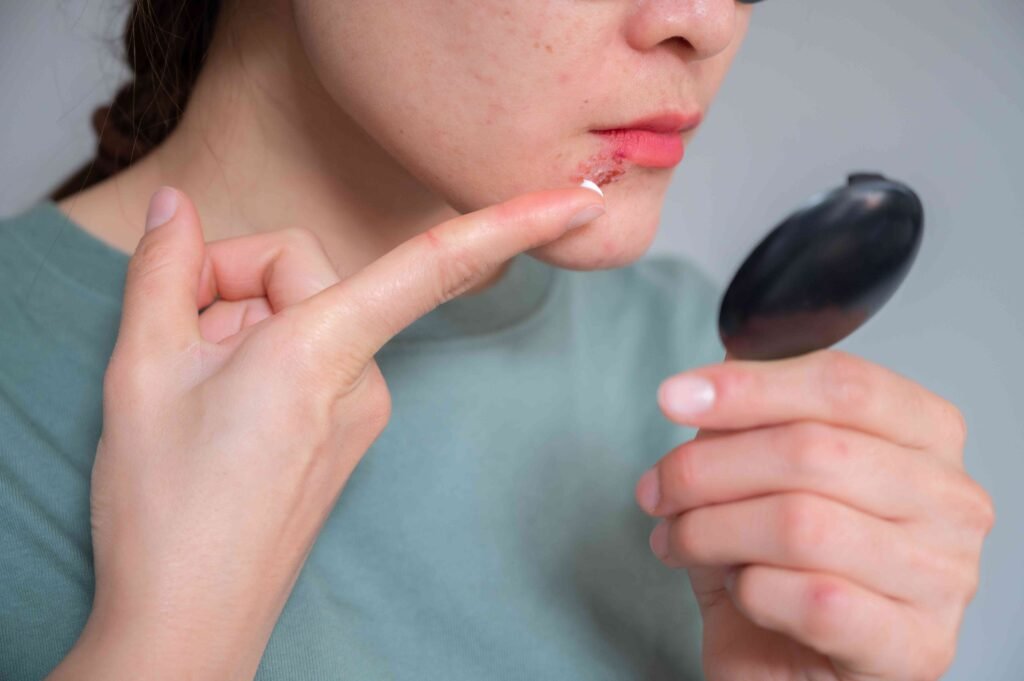
Cosmetic Concerns: Safe Removal Options
If your bumps are harmless but bothersome, cosmetic treatments may help. Options include laser ablation, micro-punch surgery, electrocautery, or topical retinoids for Fordyce spots and milia. Always choose a board-certified dermatologist or qualified medical professional. Avoid DIY or at-home removal tools, as these can cause scarring or infection.
Simple Daily Lip-Care Routine
- Morning: Cleanse gently, apply SPF lip balm.
- Daytime: Reapply balm after eating or drinking; avoid licking lips.
- Night: Remove lipstick or gloss, apply moisturizing balm or petroleum jelly.
- Weekly: Lightly exfoliate (using a soft toothbrush or sugar scrub) if your lips are rough — skip if you have active bumps.
This simple routine supports healing and prevents future irritation.
Common Myths About Lip Bumps
Myth 1: All white bumps are cold sores.
Fact: Many are harmless Fordyce spots or milia, not herpes.
Myth 2: You should pop bumps to heal faster.
Fact: Popping increases infection risk and scarring.
Myth 3: Lip bumps only come from poor hygiene.
Fact: Hormones, allergies, sun exposure, and natural glands also cause bumps.
Myth 4: Lip fillers always cause bumps.
Fact: Professional fillers are generally safe; bumps usually occur from poor injection technique or filler migration.
FAQs
1. How to get rid of tiny bumps on lips fast?
Apply a cold compress to reduce swelling, keep lips clean, and use gentle lip balm. For cold sores, start antiviral cream early. For acne, dab a tiny amount of acne medication near — not on — the lips. Avoid picking or scrubbing.
2. How to know if lip bumps are herpes?
Herpes bumps start with tingling or burning, then form painful, grouped blisters that crust over. They often recur in the same spot. If you’re unsure, a doctor can test a swab sample.
3. How to treat white bumps inside my lips?
These are often Fordyce spots or mucoceles. They’re harmless and usually need no treatment. If they persist, a dermatologist or dentist can remove them with simple procedures.
4. How to stop tiny bumps on lips from coming back?
Avoid triggers like lip-biting, stress, or harsh lip products. Keep lips moisturized, use sun protection, and maintain good hygiene. If outbreaks are frequent (like cold sores), discuss preventive antiviral therapy with your doctor.
5. How to tell if a bump on the lip is serious?
If it lasts more than three weeks, bleeds, changes color, grows, or causes pain, see a healthcare provider. Persistent or irregular bumps need professional evaluation to rule out infection or, rarely, cancer.
Read More: Carnivore Diet Meal Plan Practical 7-Day Trial Guide
Conclusion
Tiny bumps on the lips are common and usually harmless. The most frequent causes are Fordyce spots, cold sores, mucoceles, milia, acne, and allergic reactions. Identifying the cause based on symptoms — such as color, pain, or texture — helps guide treatment. Simple home care, such as gentle cleansing, hydration, and avoiding lip trauma, can solve most cases. When bumps persist, hurt, or change in appearance, a quick check by a dermatologist or dentist ensures safety and peace of mind.
Healthy habits like sun protection, using gentle products, and avoiding picking or biting go a long way in preventing recurrence. With proper care, most lip bumps disappear without complications, leaving your lips smooth and comfortable again.