
Introduction
Ashwagandha (Withania somnifera) has been a cornerstone of Ayurvedic medicine for thousands of years. Today, it’s one of the most researched herbal supplements worldwide — often called an “adaptogen” for its ability to help the body adapt to physical and mental stress. People use it for better sleep, anxiety relief, hormonal balance, athletic performance, and even energy support. But what does science actually say about these claims?
This article explores evidence-based ashwagandha benefits, proper dosage, safety precautions, and how to choose a quality supplement. You’ll also find clear, concise answers to the most common questions people ask online. Whether you’re looking to manage stress naturally or optimize daily performance, this user-friendly guide helps you understand how ashwagandha works, when it’s most effective, and how to use it safely for the best results.
What Is Ashwagandha?
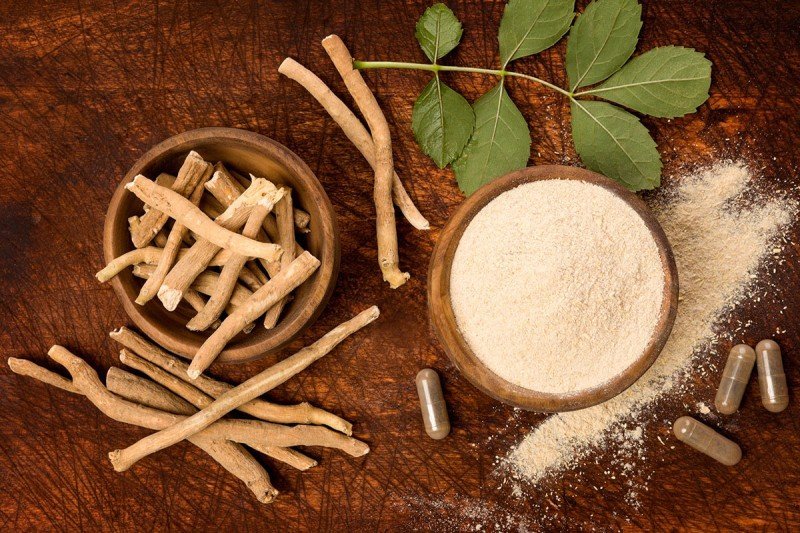
Ashwagandha, also known as Indian ginseng or winter cherry, is a small shrub native to India and parts of Africa. The plant’s roots and leaves are used for their medicinal properties. Its name comes from Sanskrit — “ashwa” meaning horse and “gandha” meaning smell — symbolizing the herb’s traditional association with strength and vitality.
Modern research identifies withanolides, naturally occurring compounds in ashwagandha, as its main active ingredients. These compounds contribute to its anti-stress, anti-inflammatory, and antioxidant properties. Unlike stimulants, ashwagandha works gently, helping the body return to balance by regulating systems involved in stress, energy, and recovery.
1. Reduces Stress and Anxiety
Ashwagandha’s best-known benefit is stress reduction. Clinical studies consistently show that standardized ashwagandha extracts can significantly lower cortisol — the primary stress hormone.
In studies lasting 6–12 weeks, participants taking ashwagandha reported reduced stress, better mood, and greater resilience compared with those taking a placebo. It appears to work by moderating the hypothalamic-pituitary-adrenal (HPA) axis, which controls the body’s stress response.
Practical takeaway:
For mild to moderate anxiety or stress, ashwagandha can be a natural alternative or complement to lifestyle practices such as meditation, yoga, and good sleep hygiene. Effects are typically noticed after 4–8 weeks of consistent use.
2. Improves Sleep Quality
Many users take ashwagandha for better sleep — and for good reason. Its calming effect can promote deeper and more restful sleep without the grogginess that often comes with sleeping pills.
Clinical trials have found that daily supplementation improves sleep latency (time to fall asleep), sleep duration, and perceived sleep quality. Researchers attribute these effects to withanolides and triethylene glycol, compounds thought to enhance GABA (a calming neurotransmitter) activity in the brain.
Practical takeaway:
Ashwagandha may help people struggling with mild insomnia or poor sleep due to stress. Combine it with proper sleep hygiene for best results.
3. Supports Energy and Endurance
It may seem contradictory that an herb known for relaxation also enhances energy — but as an adaptogen, ashwagandha helps restore balance. Studies show it improves endurance, oxygen consumption, and energy efficiency, making it popular among athletes and fitness enthusiasts.
Participants supplementing with 300–600 mg of standardized extract daily often report improvements in strength, muscle recovery, and stamina after 8–12 weeks. It appears to increase hemoglobin and VO₂ max levels, supporting better oxygen delivery during exercise.
Practical takeaway:
Ashwagandha won’t act as a stimulant, but it can help maintain steady energy and performance, especially under physical stress or training conditions.
4. Enhances Cognitive Function and Focus
Ashwagandha supports cognitive health by reducing oxidative stress in brain tissue and promoting calm focus. Early studies show improvements in attention, information processing speed, and short-term memory among participants using standardized extracts.
By lowering cortisol and improving sleep, ashwagandha also indirectly benefits mental clarity and focus. Some research even suggests neuroprotective effects, potentially helping protect brain cells from degeneration.
Practical takeaway:
Regular use may improve concentration, memory, and overall mental performance, particularly when stress or fatigue are contributing factors.
5. Promotes Hormonal Balance and Fertility in Men
Ashwagandha is often studied for its effects on testosterone and fertility. Research on men with low sperm count or fertility issues shows improved sperm quality, motility, and overall reproductive hormone balance after supplementation.
It seems to support healthy testosterone levels by reducing cortisol (which can suppress testosterone when elevated) and by improving general vitality.
Practical takeaway:
For men with mild fertility concerns or low energy, ashwagandha may provide hormonal and vitality support. However, it’s not a substitute for professional fertility treatment.
6. Supports Healthy Blood Sugar and Heart Function
Preliminary studies suggest that ashwagandha may help lower fasting blood sugar and improve lipid profiles. It may enhance insulin sensitivity and reduce oxidative stress that contributes to cardiovascular strain.
However, these effects are modest and vary between individuals. Ashwagandha should not replace medical treatments for diabetes or heart disease.
Practical takeaway:
Consider it as a complementary approach to a healthy diet and active lifestyle — not a stand-alone solution.
7. Strengthens Immunity and Reduces Inflammation
Ashwagandha possesses strong antioxidant properties, helping to neutralize free radicals and reduce inflammation throughout the body. Chronic stress and inflammation can weaken immune response, so by addressing both, ashwagandha supports overall immune function.
Its withanolides also stimulate natural killer (NK) cells, part of the immune system’s defense against infections and harmful cells.
Practical takeaway:
Using ashwagandha regularly may support your body’s ability to manage inflammation and maintain balanced immune activity.

Recommended Dosage and Forms
Most studies use standardized root extracts containing 2.5–5% withanolides. Common dosages include:
- 250–600 mg per day for general well-being, stress, and anxiety
- 300–600 mg per day for athletic performance and stamina
- 150–300 mg twice daily for sleep improvement
Start with the lowest effective dose, take it consistently for at least 6 weeks, and adjust based on response.
Forms available: capsules, tablets, powders, and tinctures. Capsules and tablets offer the most accurate dosing.
Safety and Side Effects
Ashwagandha is generally safe for short-term use (up to 3 months), but some people may experience mild side effects such as:
- Upset stomach or diarrhea
- Drowsiness
- Headache
- Nausea
In rare cases, liver issues have been reported, usually linked to high doses or poor-quality products. Always buy from reputable brands that provide third-party testing for purity and potency.
Who should avoid ashwagandha:
- Pregnant or breastfeeding women
- Individuals with liver disease or thyroid disorders
- People taking sedatives, diabetes medication, or immunosuppressants
If you have a chronic condition or take prescription drugs, consult your healthcare provider before use.

How to Choose a Quality Supplement
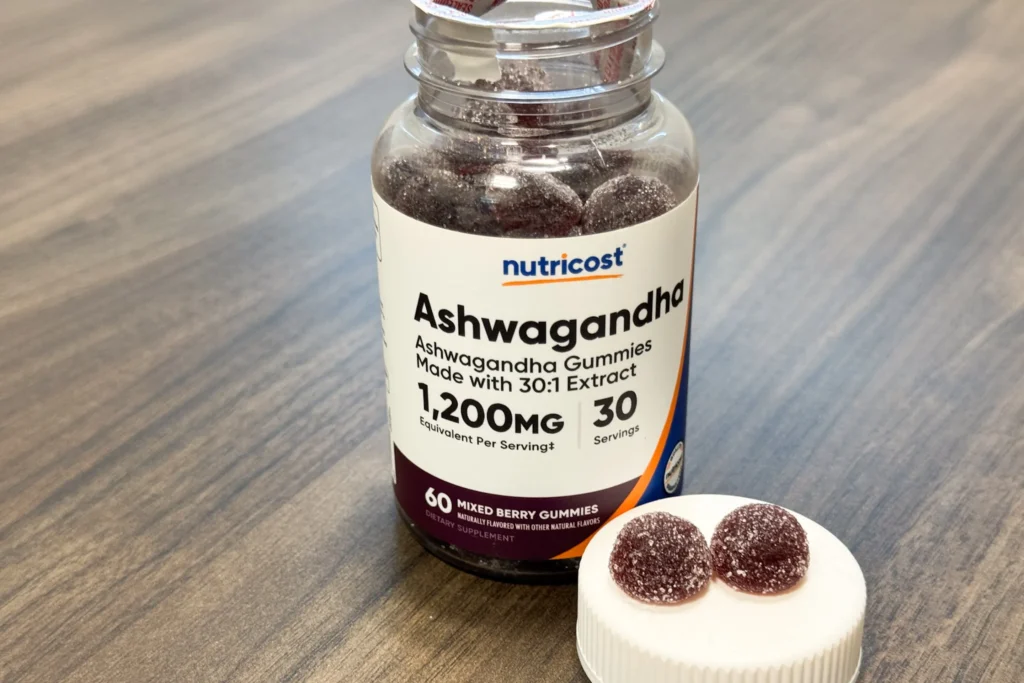
- Check standardization: Look for products listing withanolide content (2.5%–5%).
- Select reputable brands: Choose those that conduct third-party purity and potency testing.
- Read labels carefully: Avoid unnecessary fillers or proprietary blends that hide dosage details.
- Follow safe storage: Keep supplements in a cool, dry place away from direct sunlight.
A transparent, certified brand ensures safety and consistent potency.
How Long Until Results Appear?
While some users notice calmer mood and better sleep within two weeks, most studies observe clear benefits after 6–8 weeks of continuous use. Consistency is key — missing doses may delay results.
Pairing ashwagandha with other healthy habits such as regular exercise, balanced diet, and adequate rest will amplify results and help maintain long-term well-being.
Ashwagandha vs. Other Adaptogens
Ashwagandha is often compared with herbs like Rhodiola, Ginseng, and Holy Basil. While these also reduce stress, ashwagandha tends to have stronger calming and sleep-enhancing properties. Rhodiola and ginseng, on the other hand, are more stimulating.
If you’re prone to anxiety, ashwagandha’s gentle, relaxing profile may be a better choice than stimulating adaptogens.
Long-Term Use and Research Gaps
So far, studies confirm that short-term (up to 3 months) use is safe and effective. However, long-term safety data are still limited. Researchers are studying whether extended use maintains benefits without affecting hormones, liver function, or other systems.
Future studies aim to determine the ideal extract ratios, best dosing strategies, and differences between root and leaf extracts. Until more is known, use for defined periods and take short breaks every few months.
Read More: Blood Pressure Medications: A Comprehensive Guide
Conclusion
Ashwagandha is a well-researched adaptogenic herb with multiple proven benefits — from lowering stress and improving sleep to enhancing endurance, mood, and hormonal balance. Its effects come from restoring equilibrium in the body rather than overstimulating it.
Most users can safely take 250–600 mg of standardized extract daily for up to 12 weeks, but as with all supplements, quality and moderation matter. Choose reputable brands, follow proper dosage, and consult a healthcare provider if you’re on medication or have a medical condition.
When used wisely, ashwagandha can be a powerful ally for managing everyday stress, boosting vitality, and supporting overall mental and physical well-being.
FAQs
1. What are the main benefits of ashwagandha?
Ashwagandha helps reduce stress and anxiety, supports better sleep, boosts energy and endurance, enhances cognitive performance, and may promote hormonal balance in men.
2. How long does ashwagandha take to work?
Most people notice benefits within 2–4 weeks, but full effects typically appear after 6–8 weeks of daily use. Consistency is crucial for results.
3. Is ashwagandha safe for everyone?
It’s safe for most healthy adults short-term. However, pregnant or breastfeeding women and those with liver or thyroid disorders should avoid it unless advised by a doctor.
4. Can ashwagandha help with anxiety and stress?
Yes. Multiple clinical trials show significant reductions in stress and cortisol levels. It’s one of the most effective natural adaptogens for managing chronic stress.
5. What’s the best time to take ashwagandha?
For stress and sleep support, take it in the evening. For energy or performance benefits, morning or pre-workout dosing works well. Always take with food to minimize stomach upset.